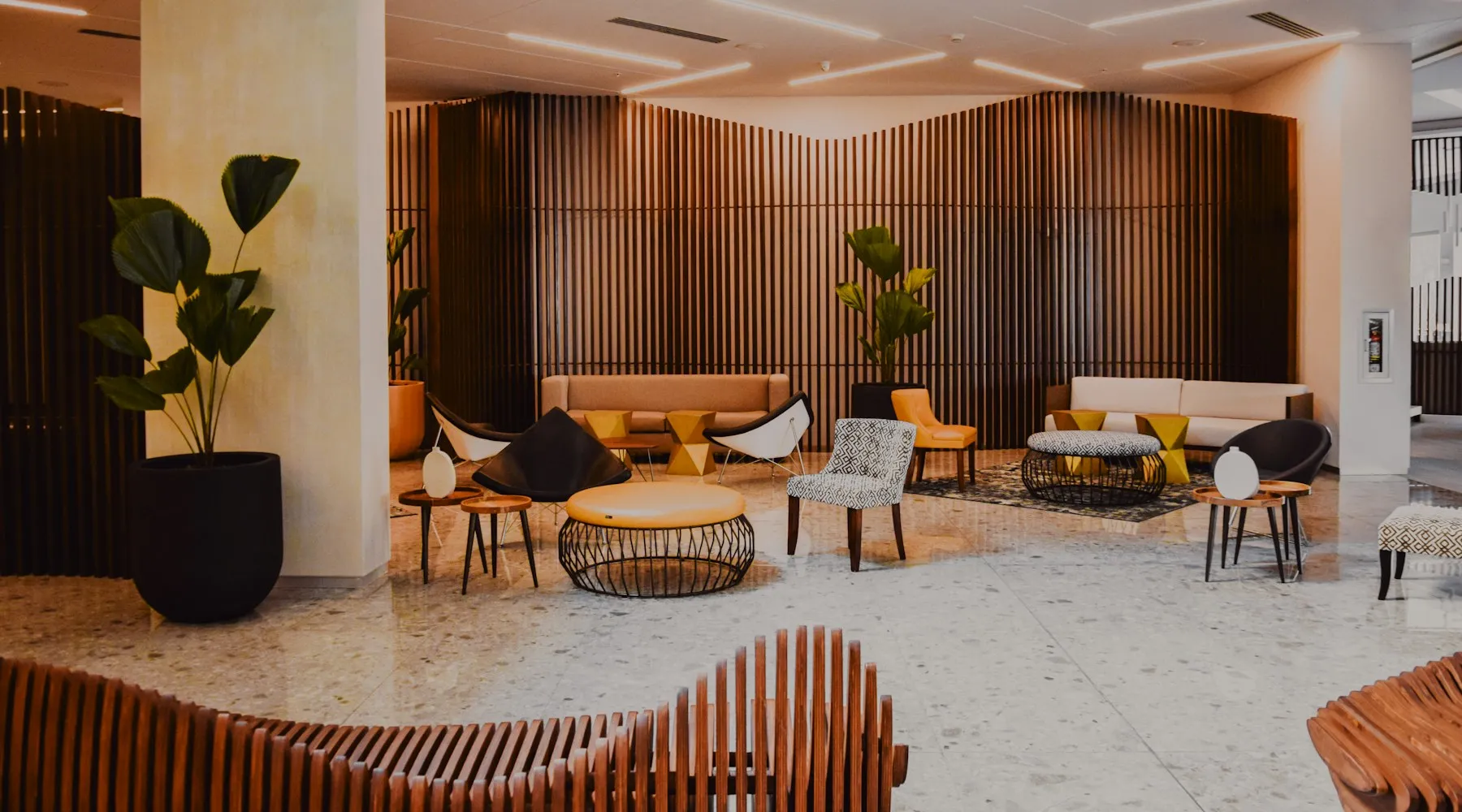
Mediterranean terrace: ideas and AI renders
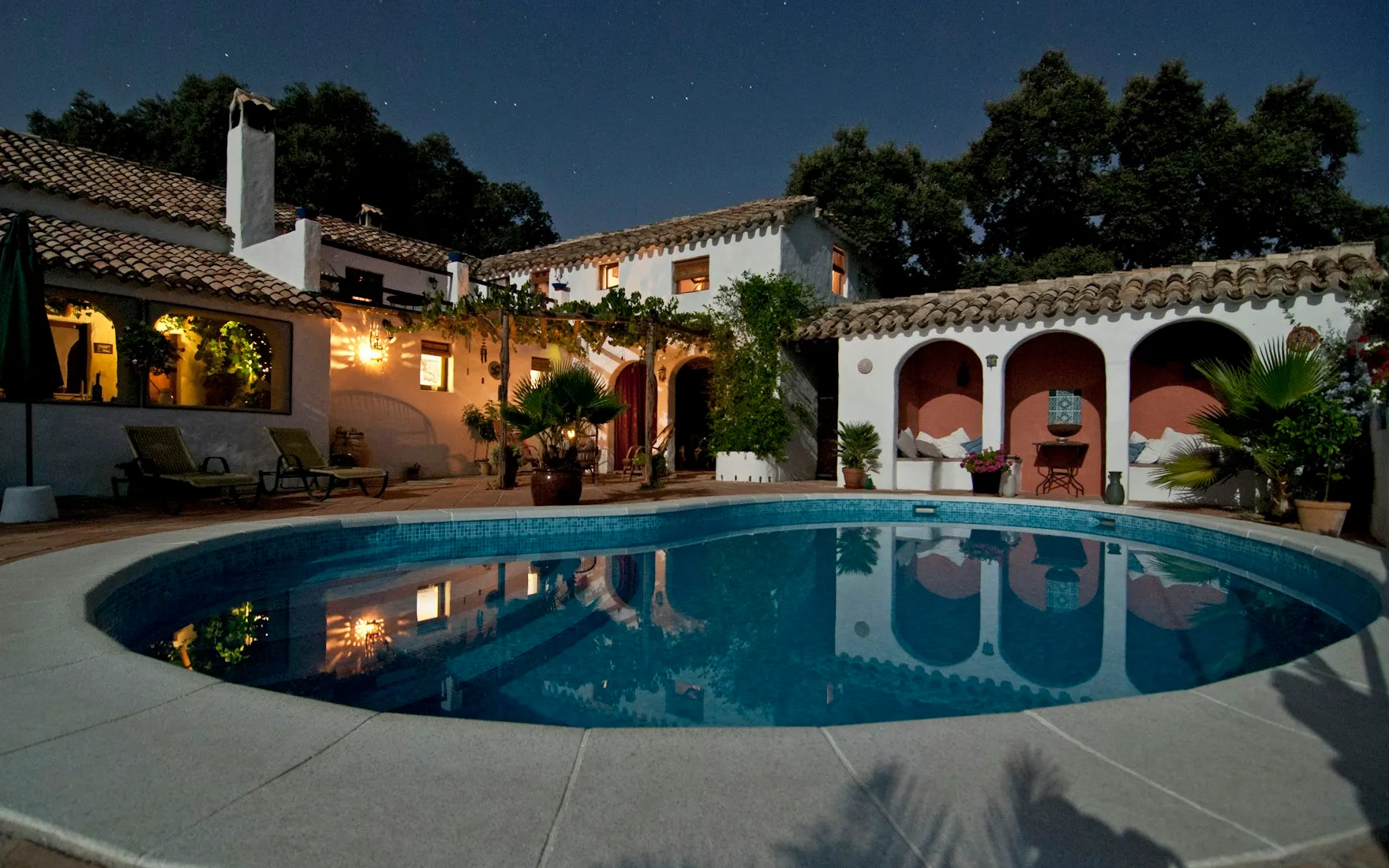
A Mediterranean terrace combines a terracotta or travertine floor, a timber or reed pergola, planted jars of olive and laurel, and low dark-timber furniture. Evening lighting is warm and set at floor level.
Drag to compare
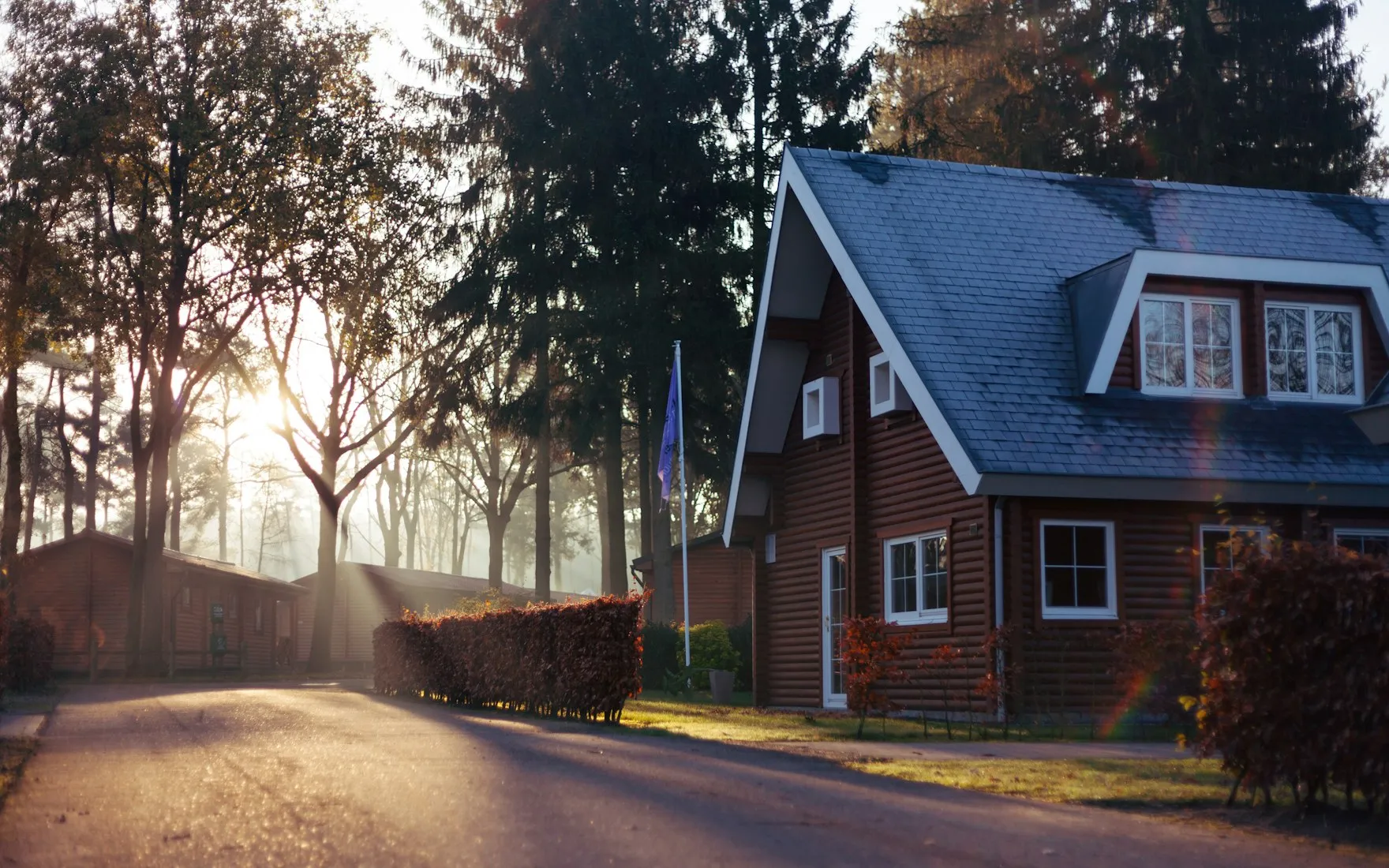
Original photo on the left, mediterranean render on the right.
The pieces that make the difference
- Terracotta or aged travertine floor
- Timber pergola with reed screening or a shade sail
- Three large terracotta jars: olive, laurel, rosemary
- Low-voltage string lights and floor lanterns
The mistake to avoid
An olive tree in too small a pot. Below 60 cm in diameter the pot dries out in a day in summer and the tree declines within a season.
What it actually costs
Outdoor travertine is expensive per m². Aged-stone-effect porcelain gets 90% of the look and handles frost far better.
How to get this render
- 01
Photograph the room
Shoot under overcast skies rather than full sun: hard shadows hide the geometry and the render copies them.
- 02
Select the room
Choose "Terrace" at step 2 of the generator.
- 03
Select the style
Choose "Mediterranean" at step 3.
- 04
Compare and adjust
The render opens in a before/after slider. An olive tree in too small a pot. Below 60 cm in diameter the pot dries out in a day in summer and the tree declines within a season.
Frequently asked questions
How do I get a Mediterranean terrace right?
A Mediterranean terrace combines a terracotta or travertine floor, a timber or reed pergola, planted jars of olive and laurel, and low dark-timber furniture. Evening lighting is warm and set at floor level.
Will a potted olive survive a cold winter?
Down to about -8 °C in a protected, sheltered pot. Below that, bring it in or wrap the pot in horticultural fleece.
What fall does a terracotta terrace need?
At least 1.5% away from the façade, or water pools and frost splits the tiles.
Other styles for this room
This style in other rooms
All styles for a terrace·Mediterranean style in detail
Updated 2026-08-21