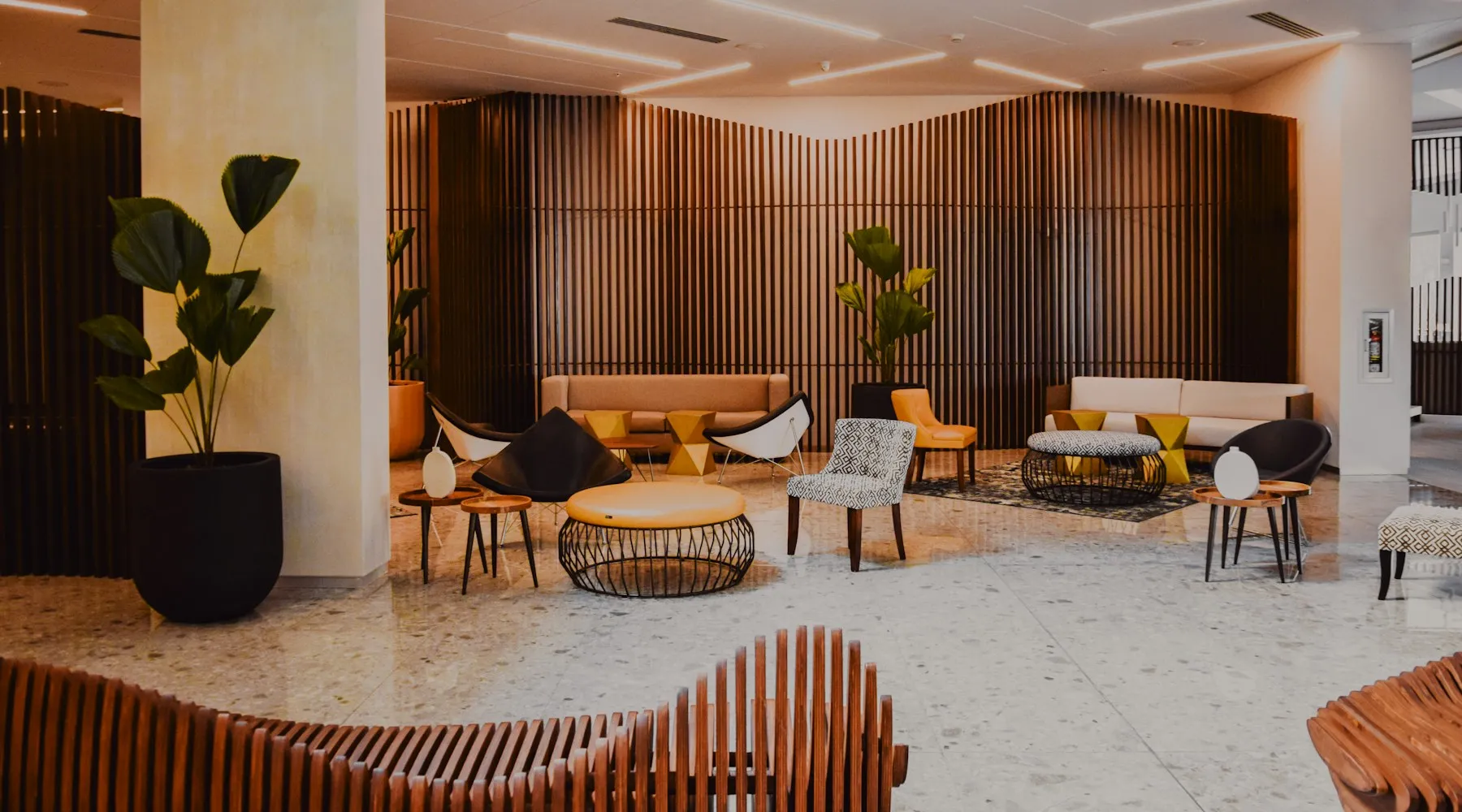
Japandi style: transform your interior
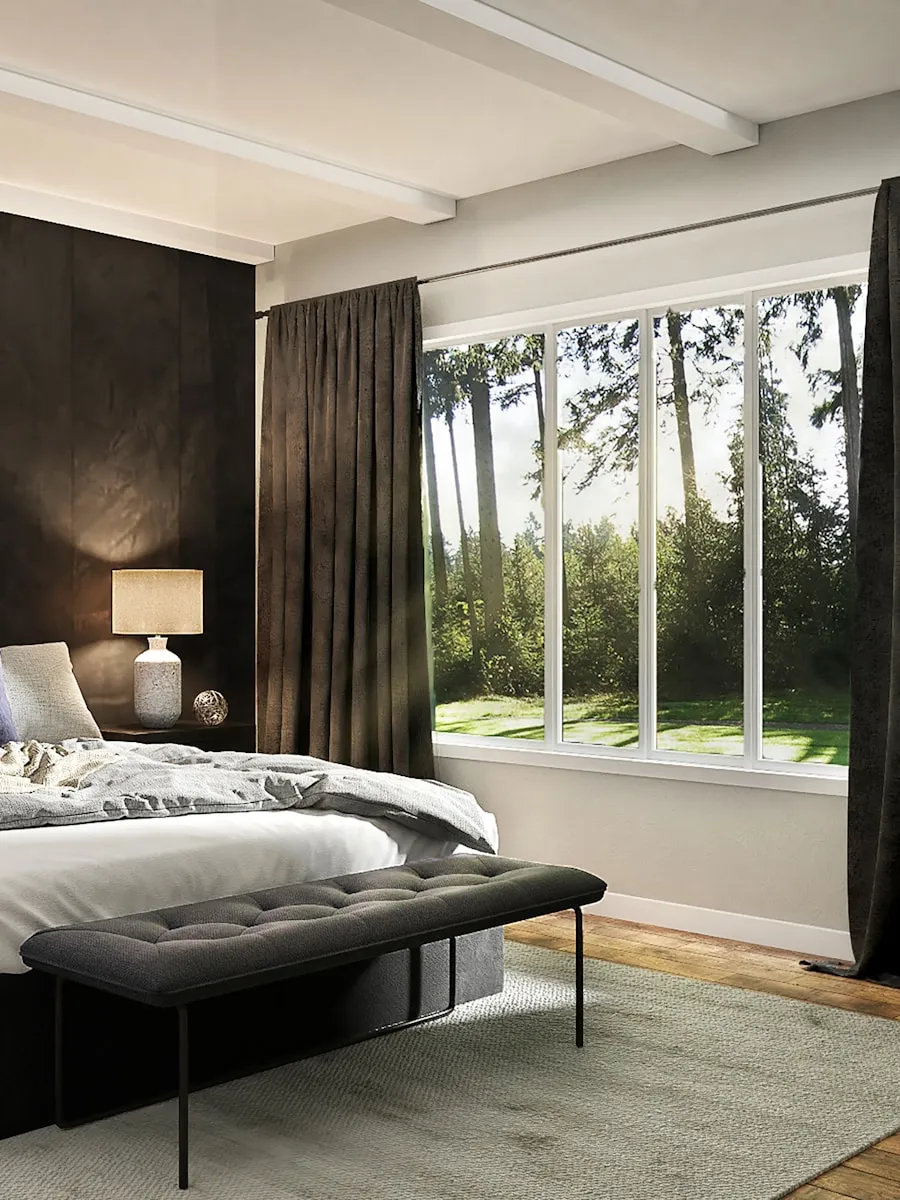
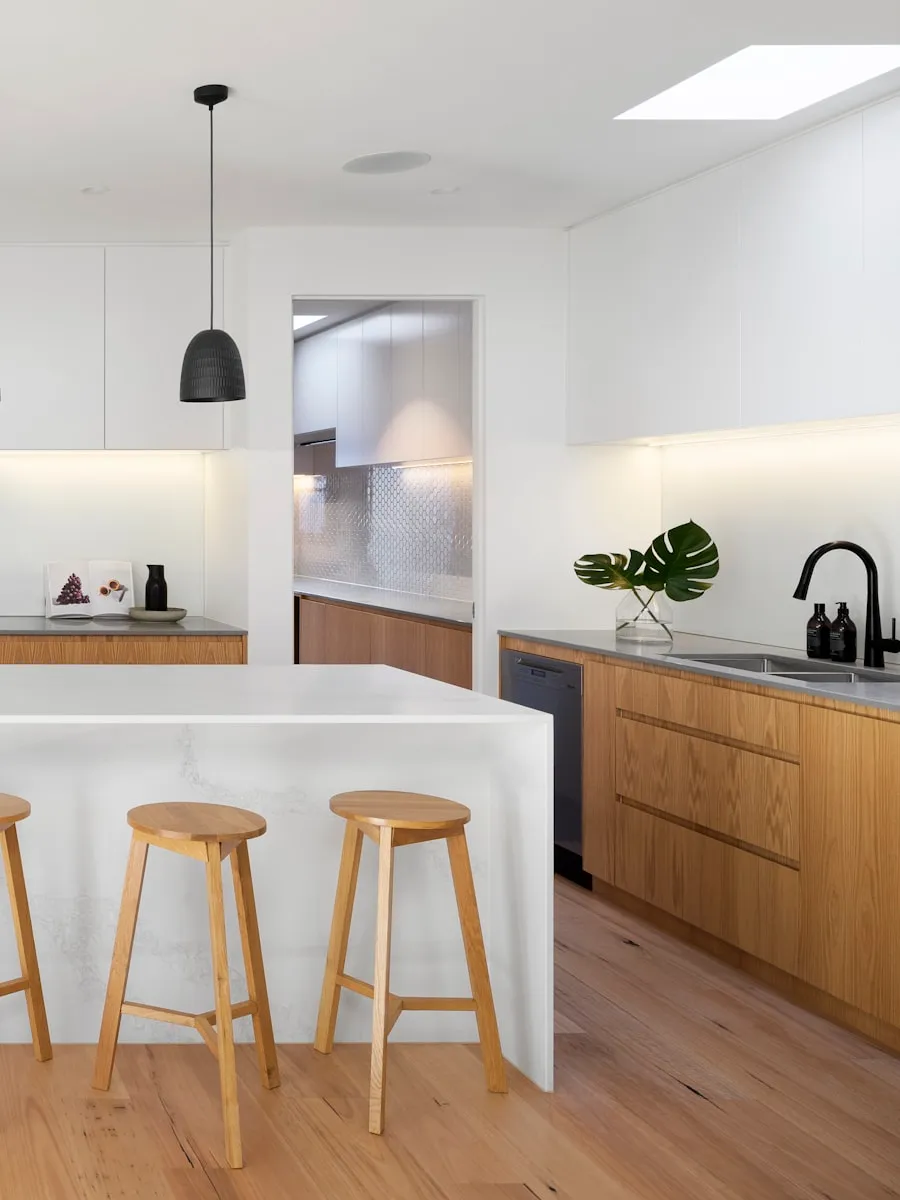
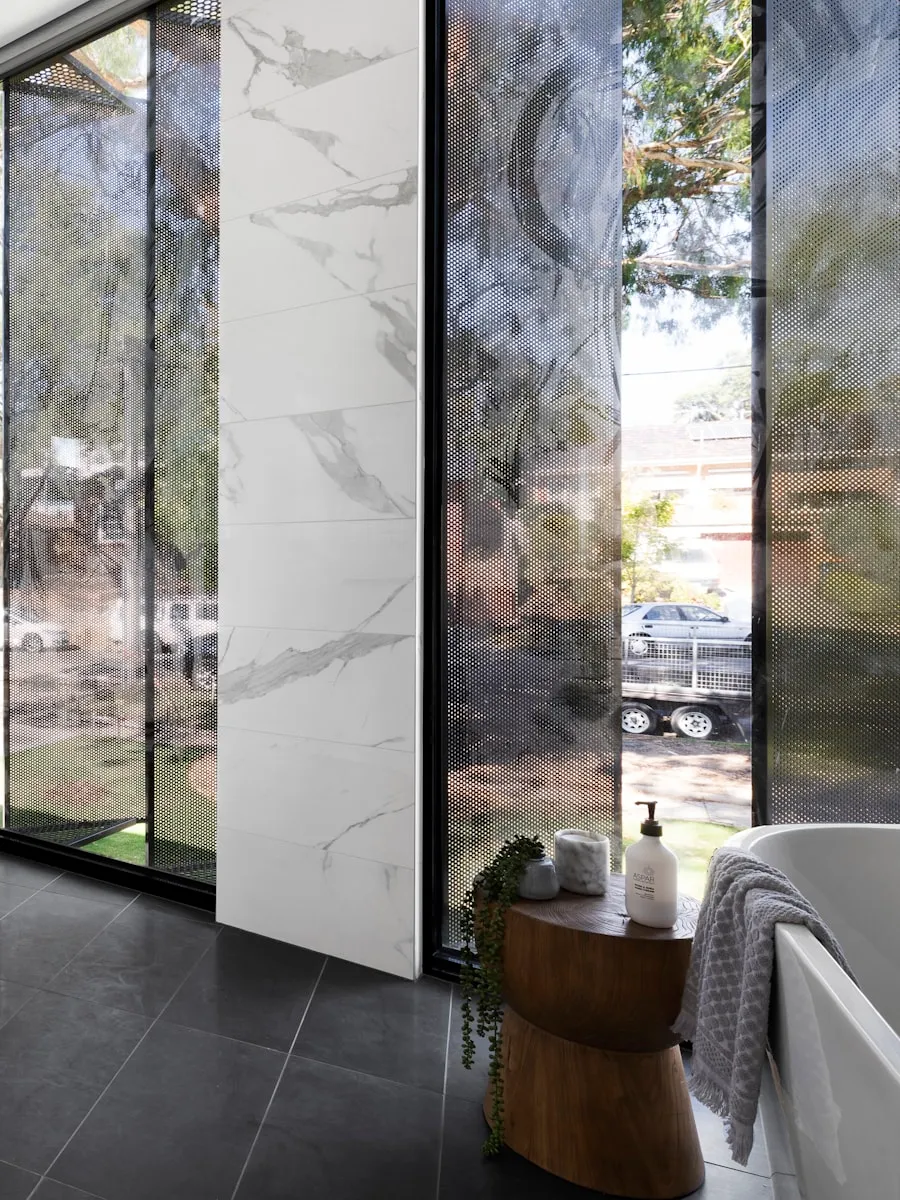
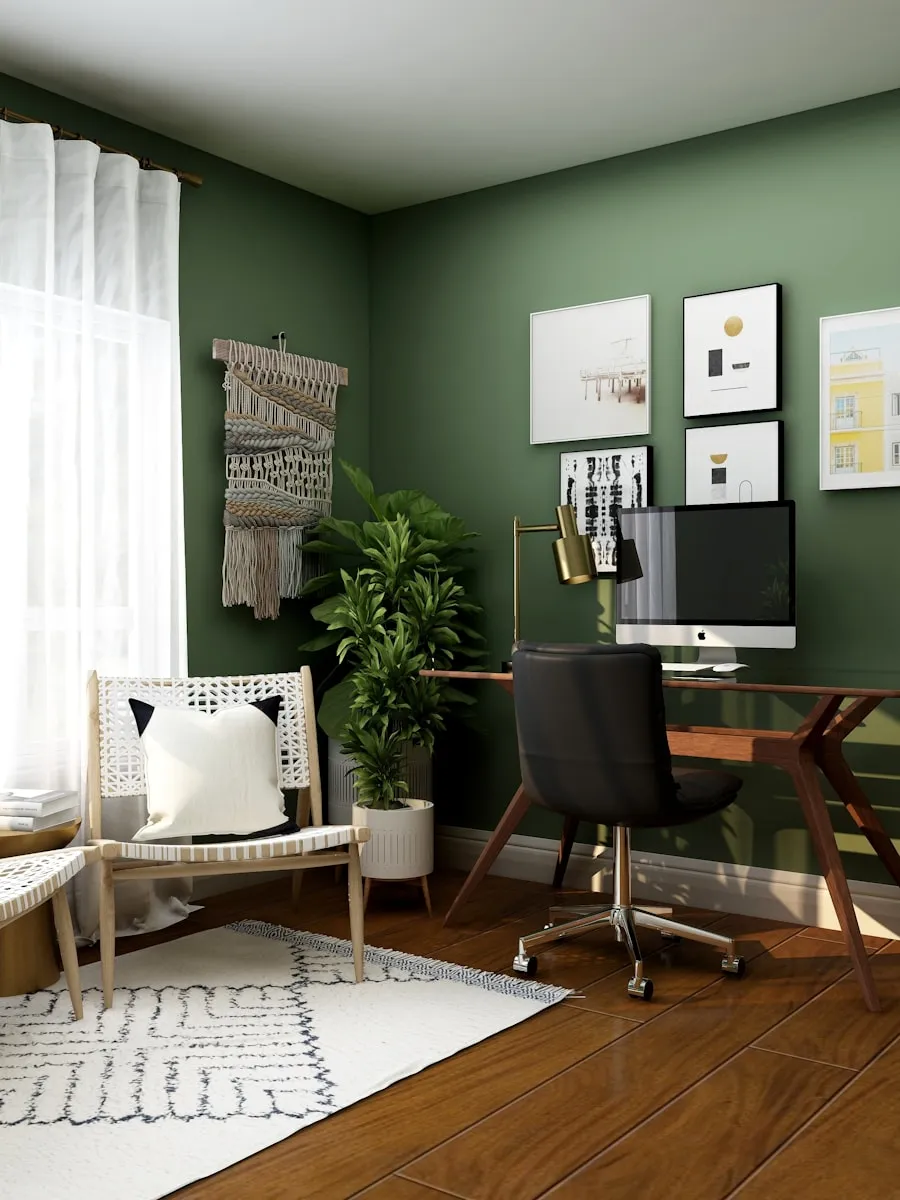
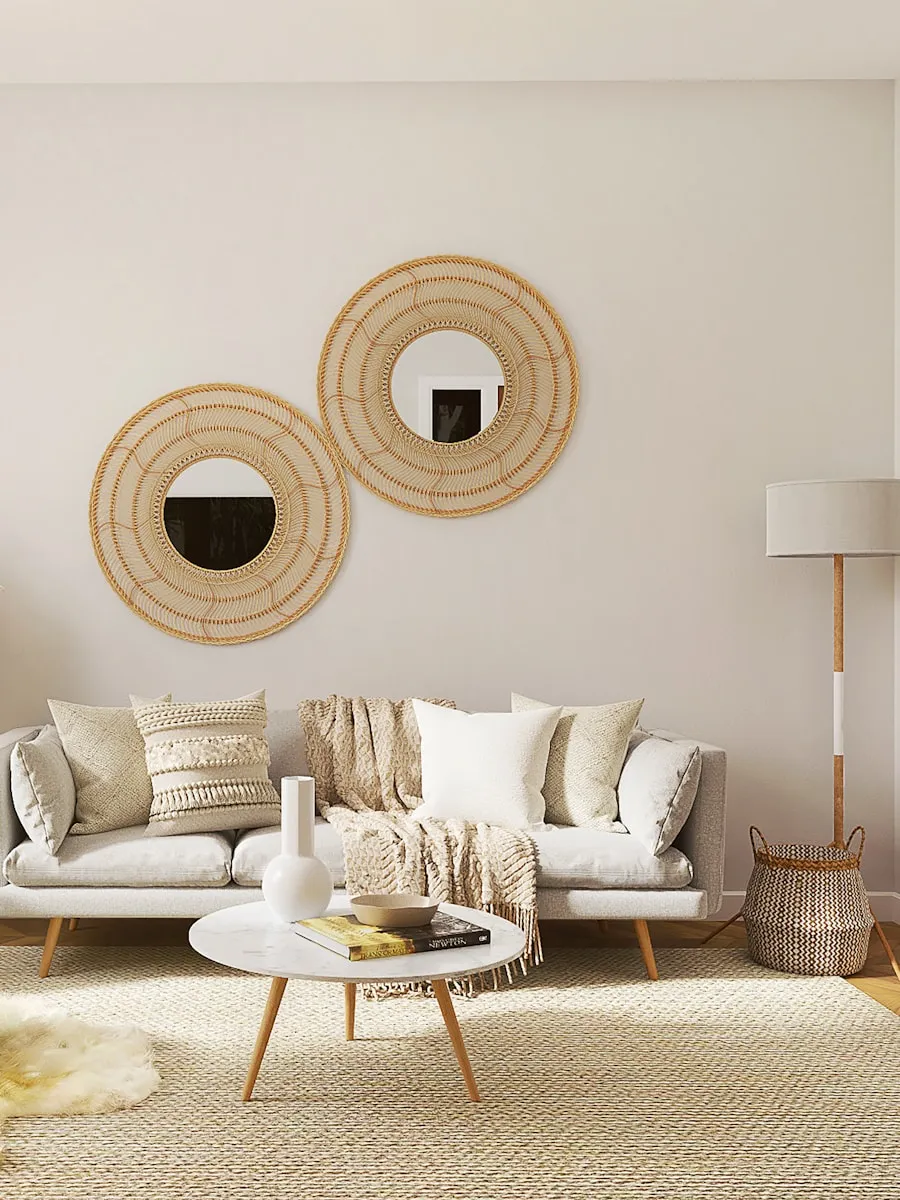
Japandi crosses Japanese restraint with Scandinavian comfort: darker timber, sand walls, low furniture and very few objects. Everything visible is chosen, storage is closed, and the palette stays earthy. The goal is calm, not display.
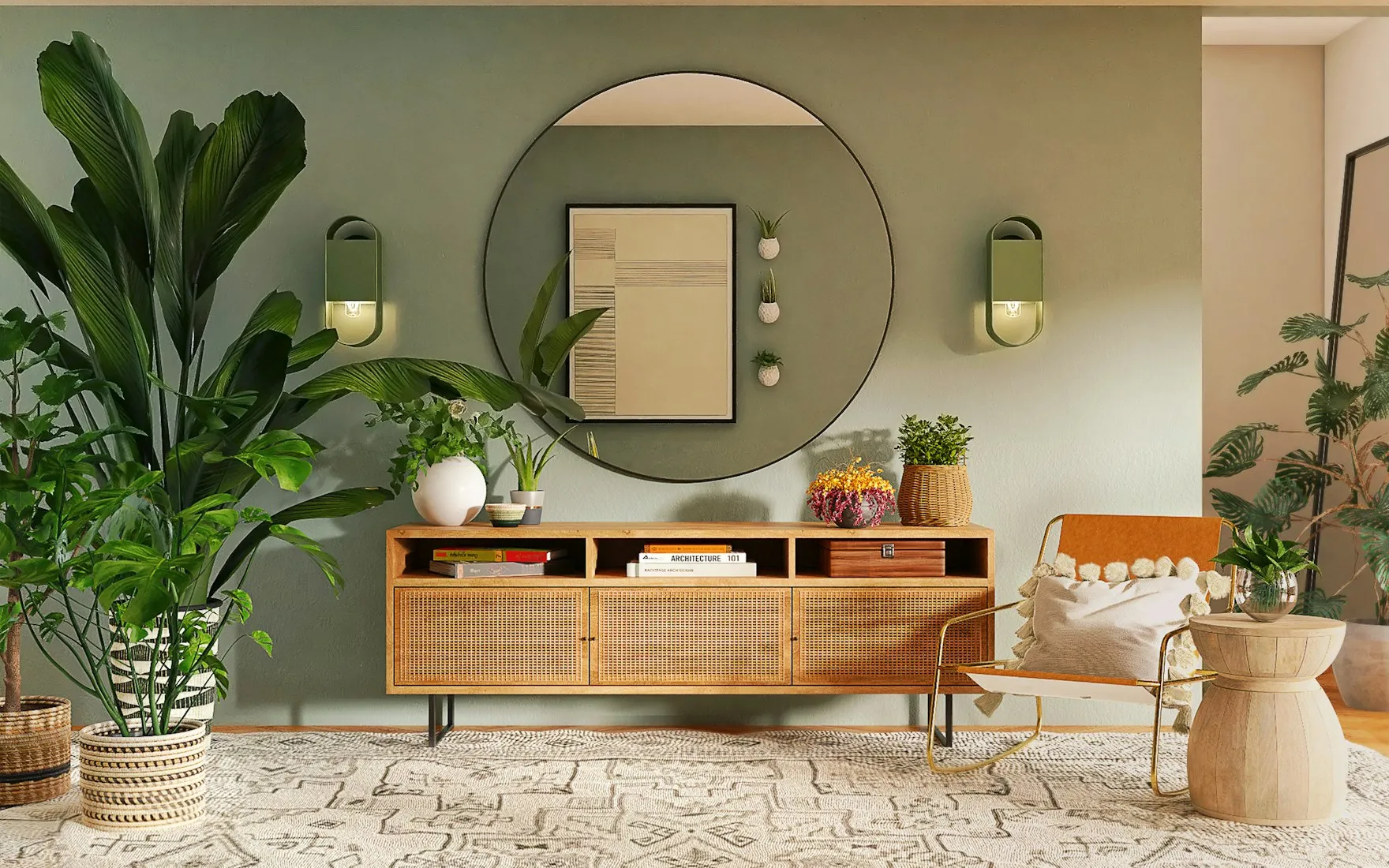
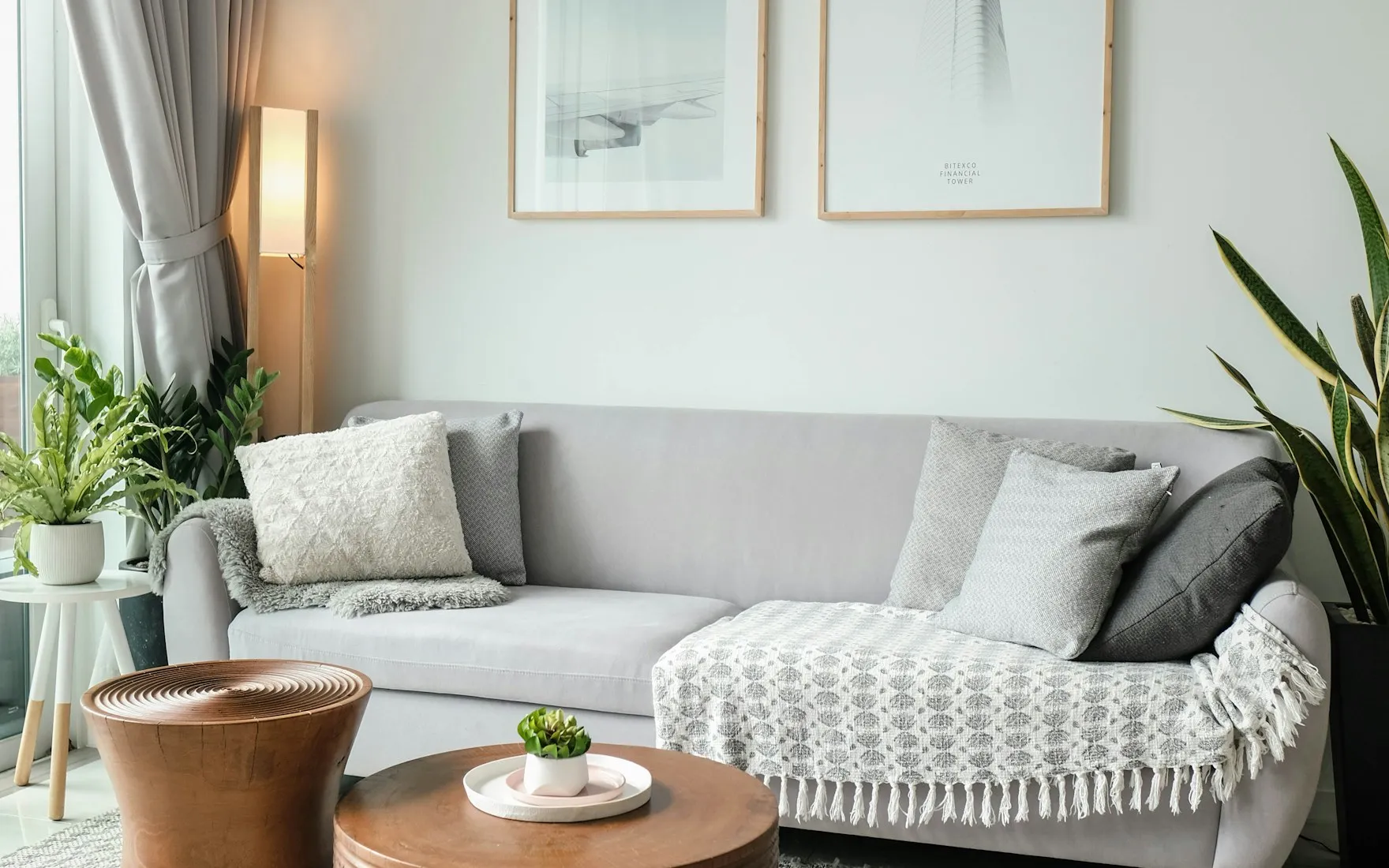
Drag to compare
An ordinary room, then the same volume treated in japandi style.
Understanding japandi style
Japandi is not a decorative style so much as a constraint: if an object has no reason to be visible, it goes into closed storage. What remains — a stoneware vase, a branch, a tray — therefore carries the room's entire visual weight and has to earn it. Timber runs darker than in Scandinavian schemes (walnut, smoked oak, tinted ash) and textiles run rougher: heavy linen, paper, jute. Everything sits low, which lengthens the space and suits the standard ceiling heights of 1970s apartment blocks. It is the most demanding style for storage: without closed cupboards it does not survive a week.
The mistake to avoid
Mixing in glossy or chrome objects. Japandi tolerates exactly one highlight, never two.
This style, room by room
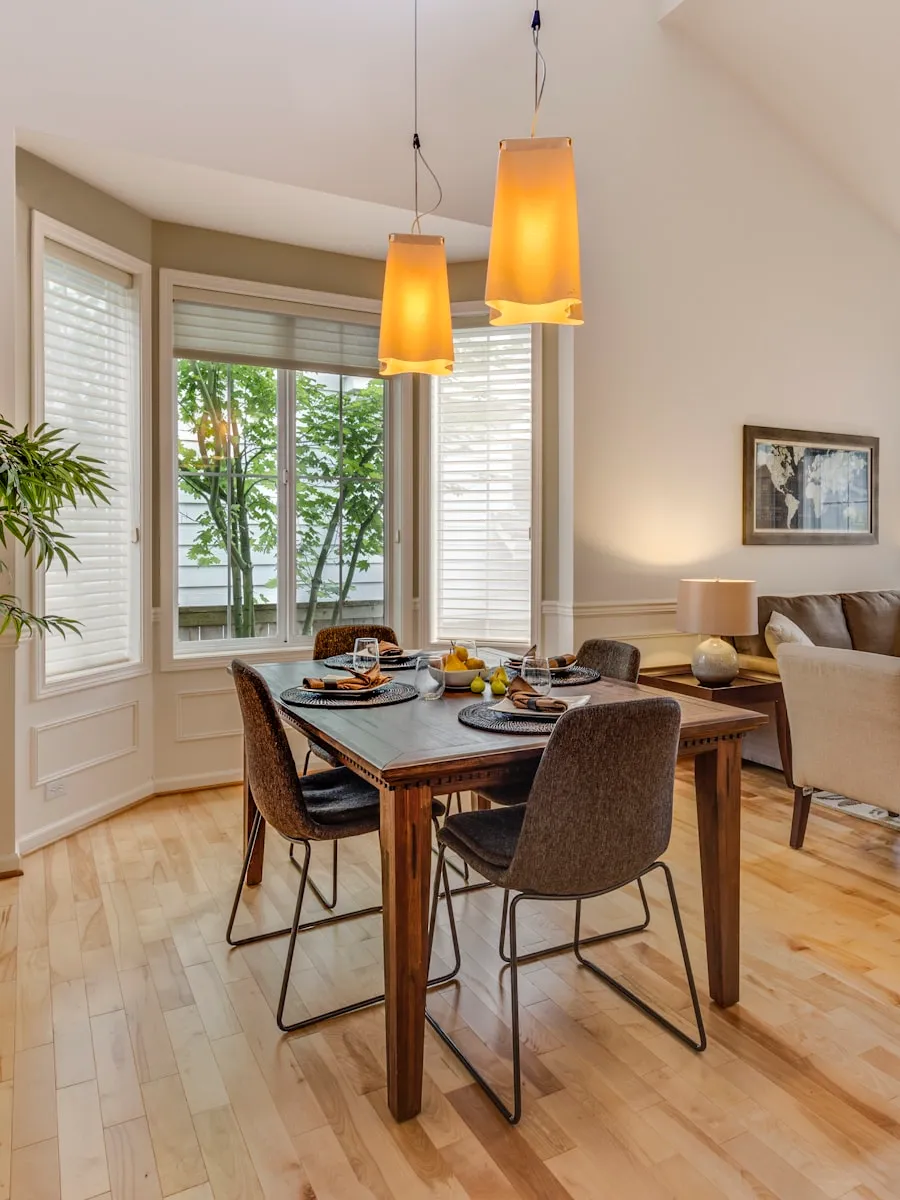
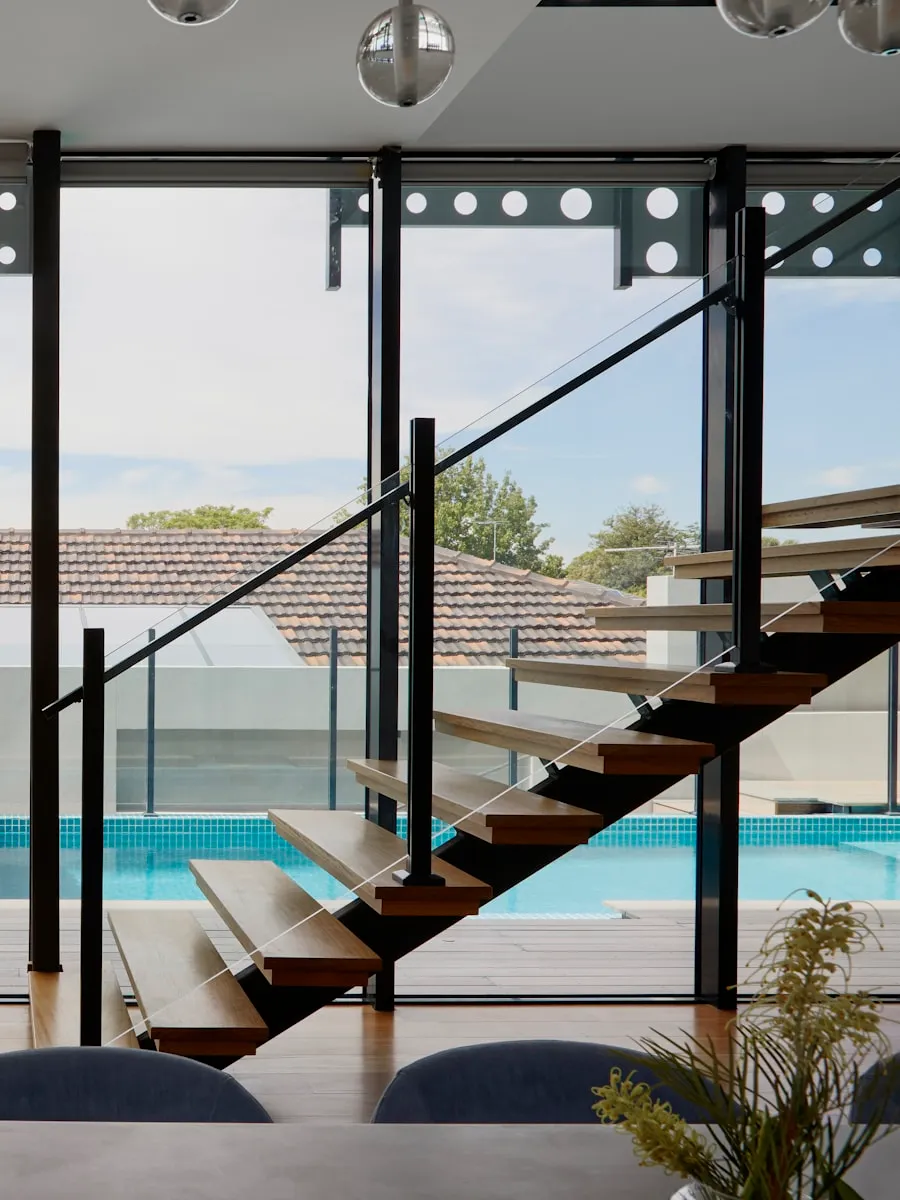
Frequently asked questions
What is japandi style?
Japandi crosses Japanese restraint with Scandinavian comfort: darker timber, sand walls, low furniture and very few objects. Everything visible is chosen, storage is closed, and the palette stays earthy. The goal is calm, not display.
What palette suits a japandi interior?
Clay, sand, taupe, walnut, matte black
What mistake should I avoid with japandi style?
Mixing in glossy or chrome objects. Japandi tolerates exactly one highlight, never two.
Close combinations
Updated 2026-08-21