Scandinavian style: transform your interior
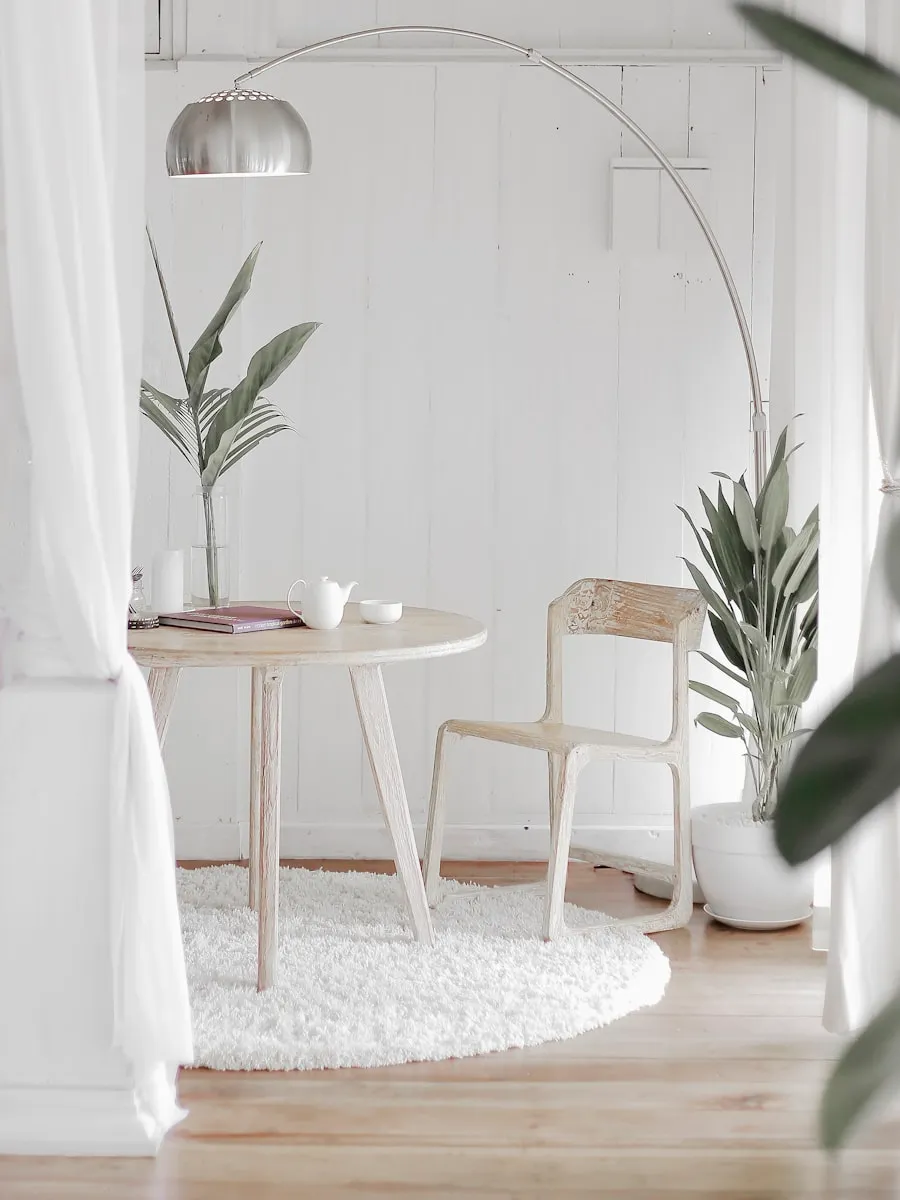
Scandinavian style pairs pale walls, blond wood and natural textiles to make the most of scarce daylight. Furniture sits low on slim legs so the floor stays visible. The palette holds to white, beige and grey, warmed by oak, wool and linen.
Drag to compare
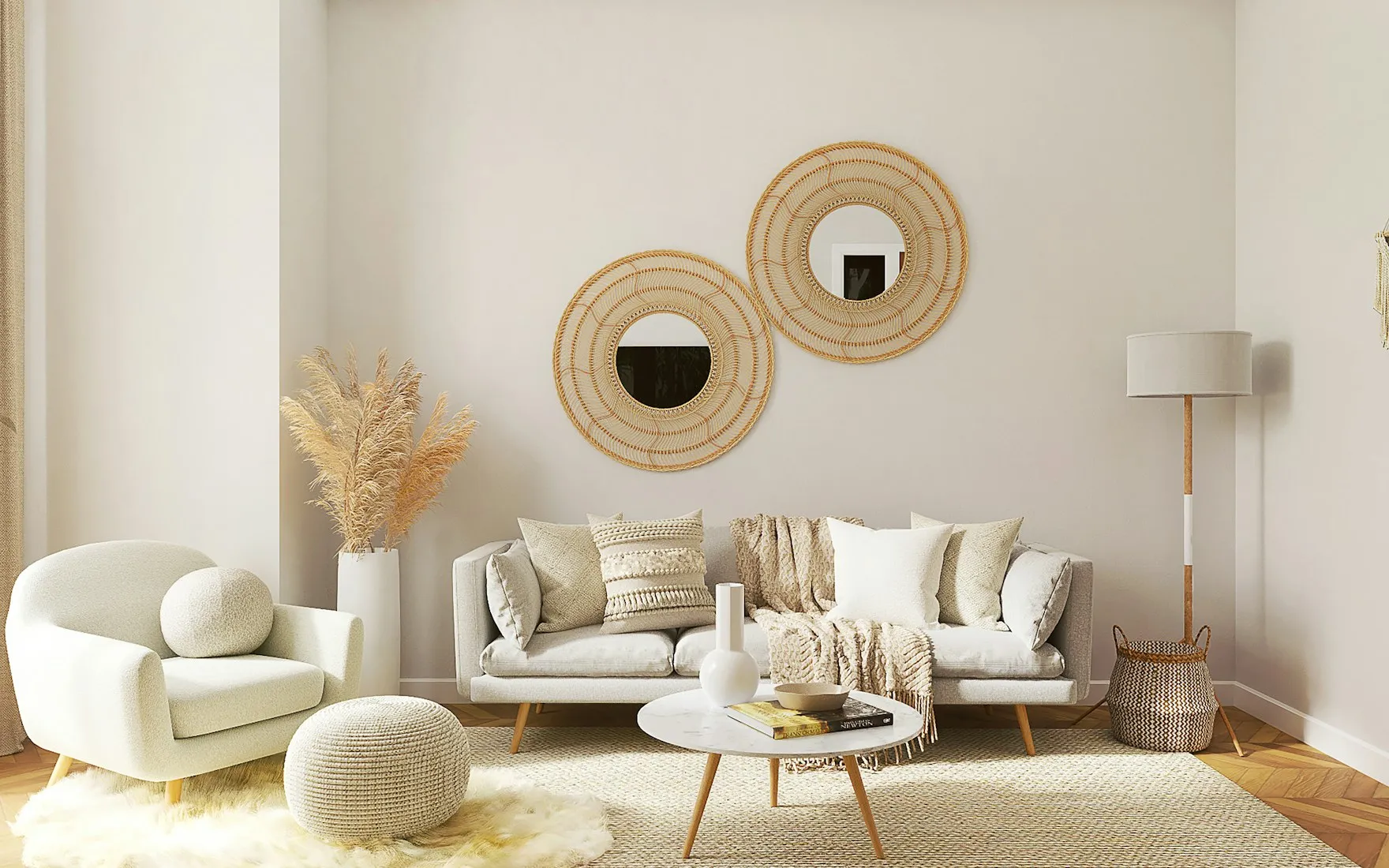
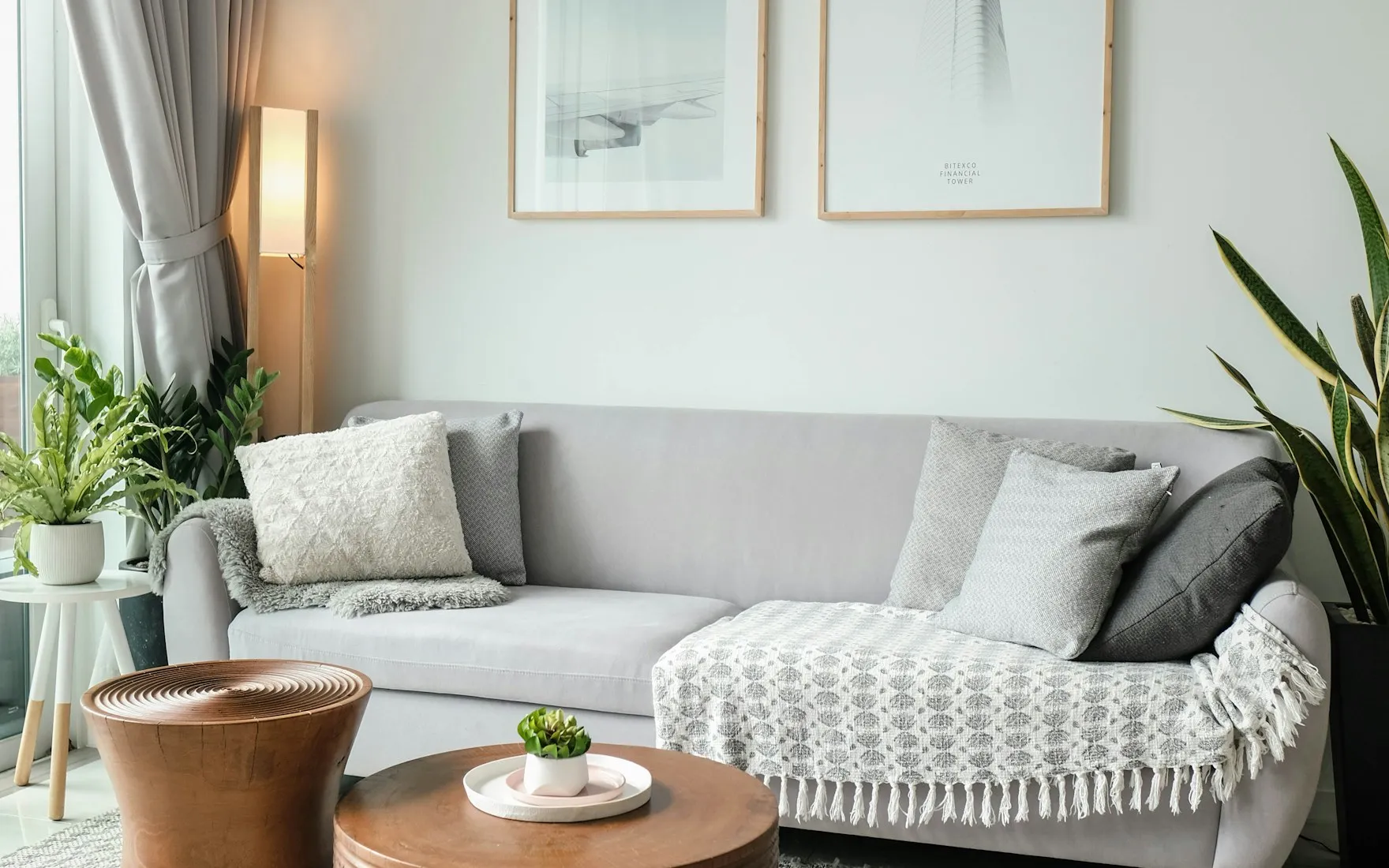
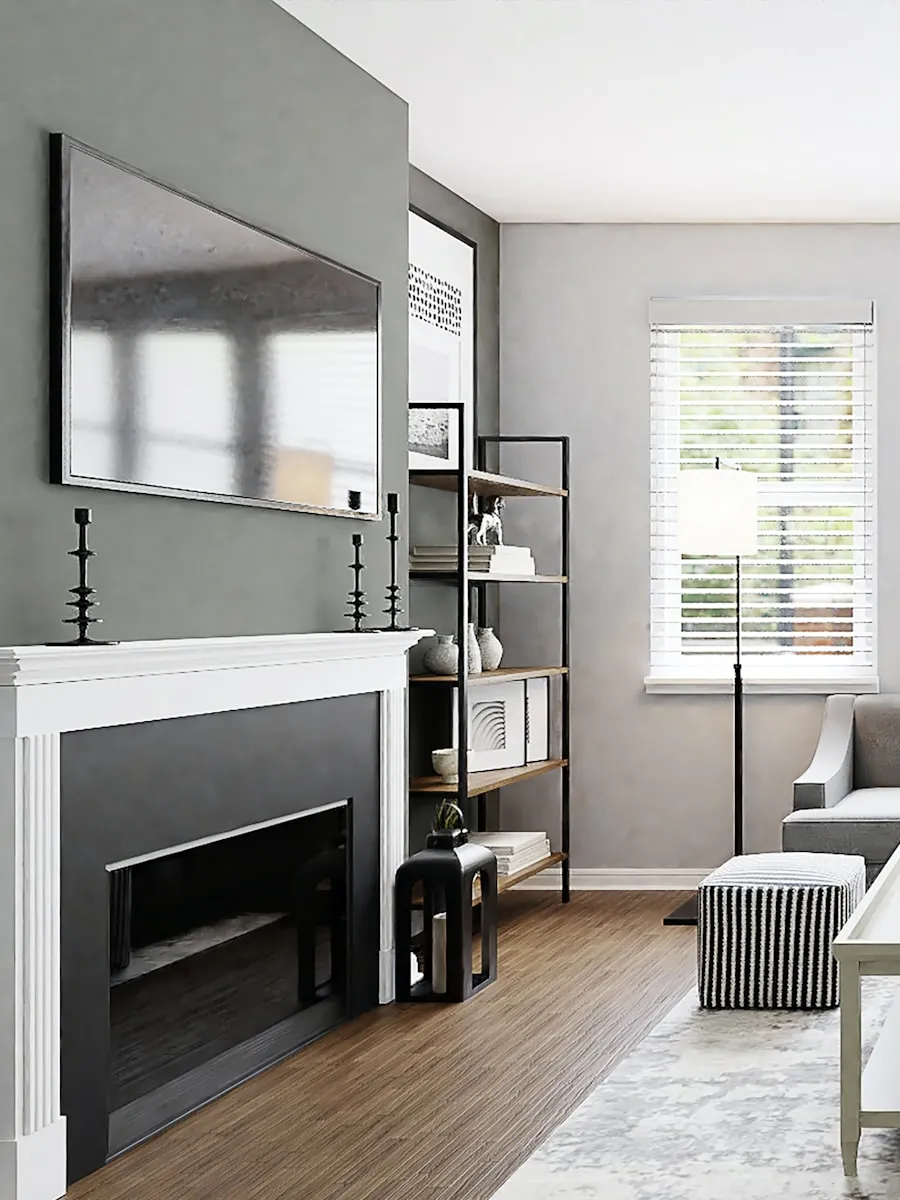
An ordinary room, then the same volume treated in scandinavian style.
Understanding scandinavian style
Born in countries where winter runs six months, Scandinavian design is first a lighting strategy: bounce what little daylight exists off pale surfaces instead of absorbing it. That is what makes it so effective in north-facing flats and single-window rooms. Furniture is deliberately light on its feet — tapered legs, low seats, few solid masses — so the room reads larger than it measures. Warmth comes from material rather than colour: a boucle wool rug, a throw, untreated oak. It is the most forgiving style on a small budget, because it leans on emptiness as much as on objects.
The mistake to avoid
Pure cold white: it turns clinical as soon as the light drops. Pick a slightly broken white.
This style, room by room
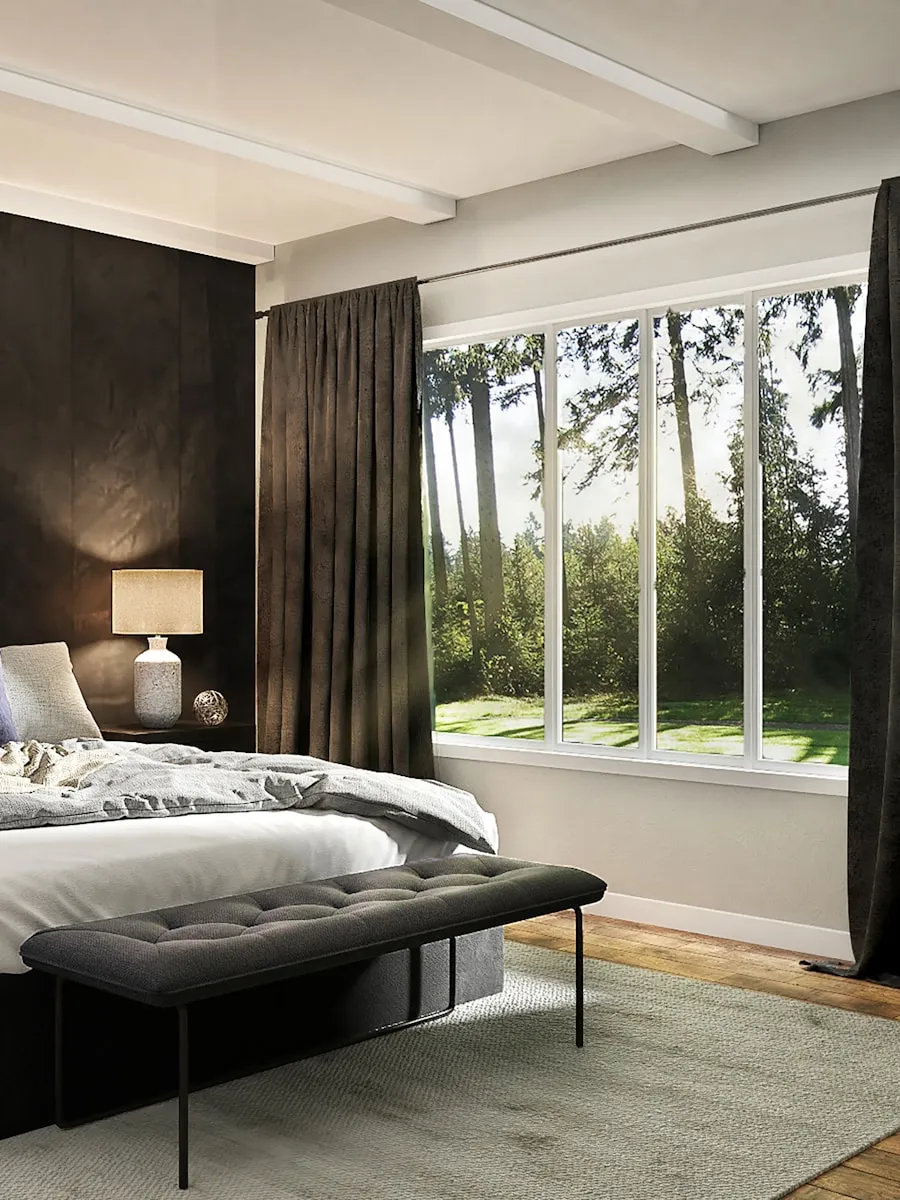
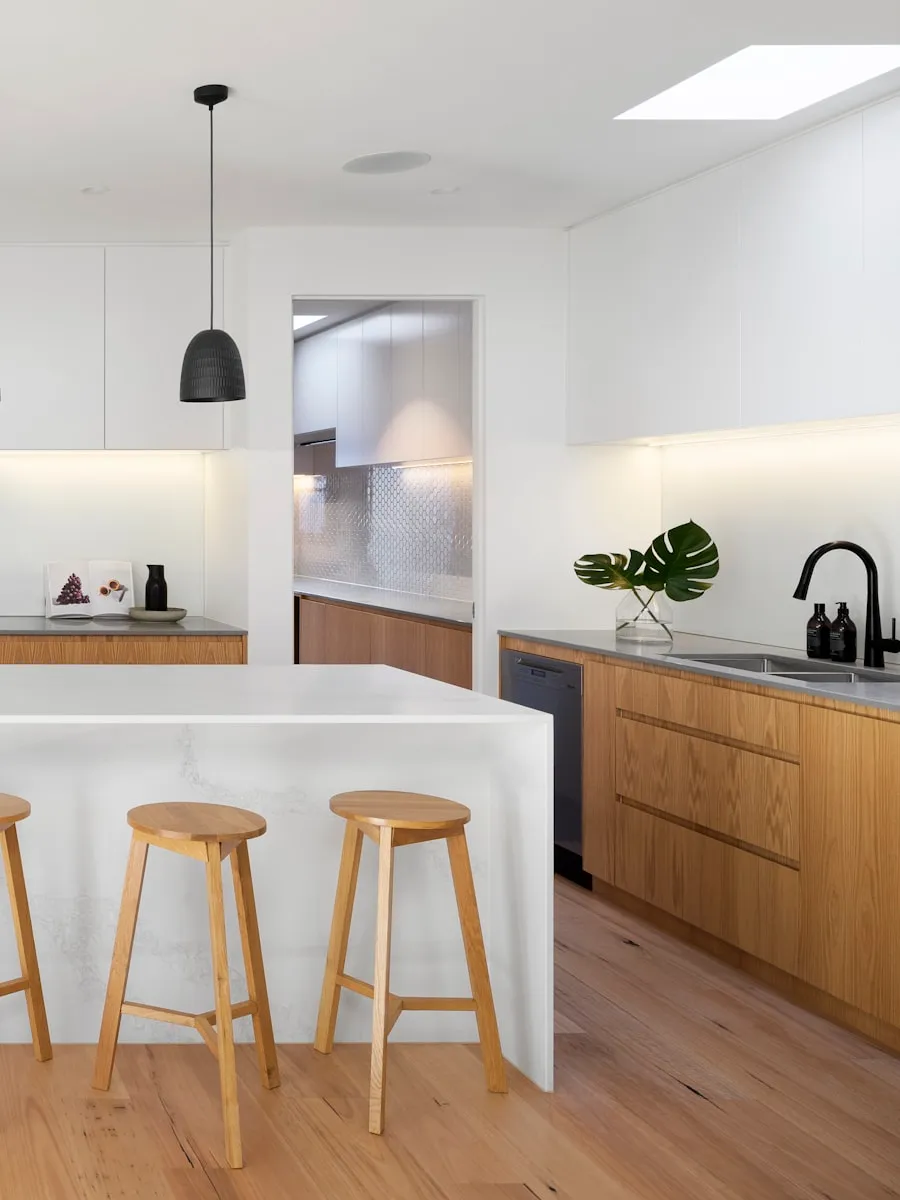
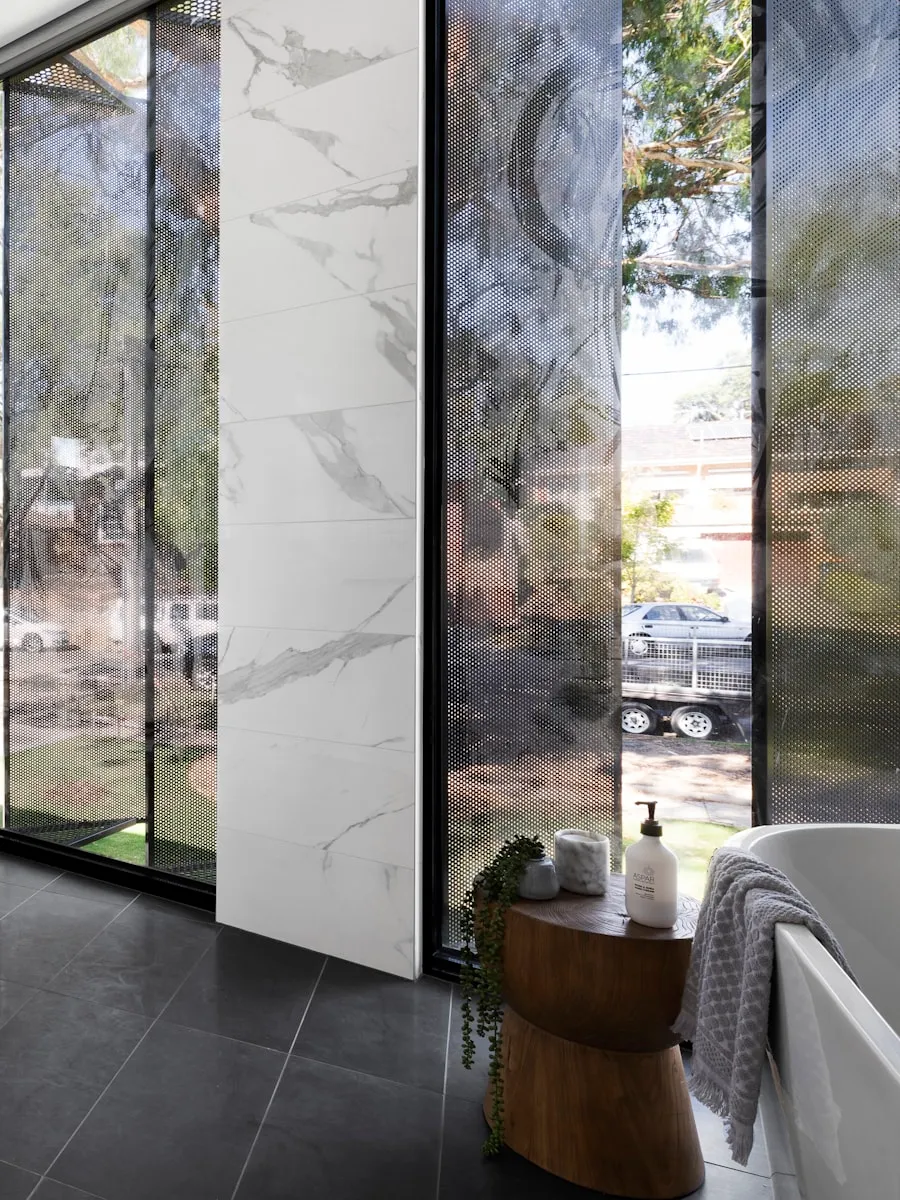
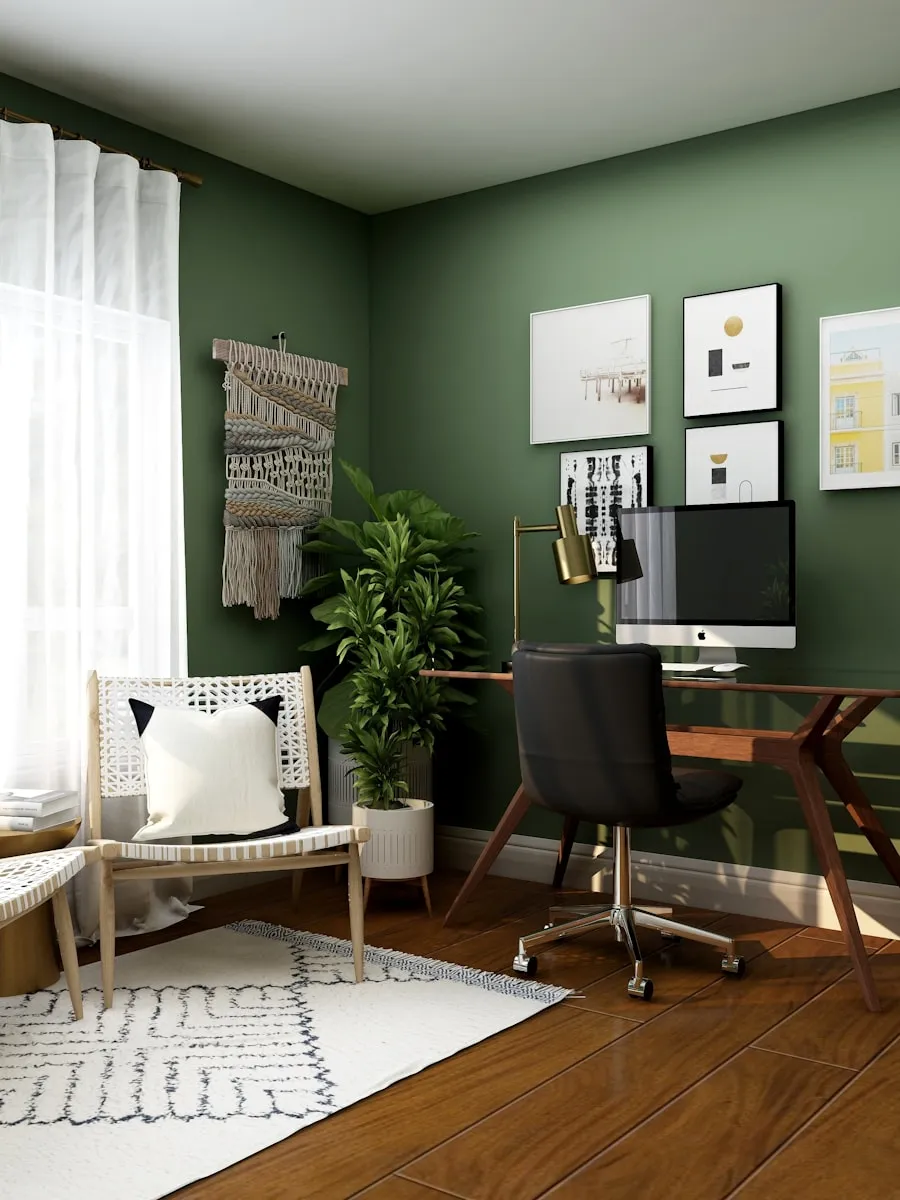
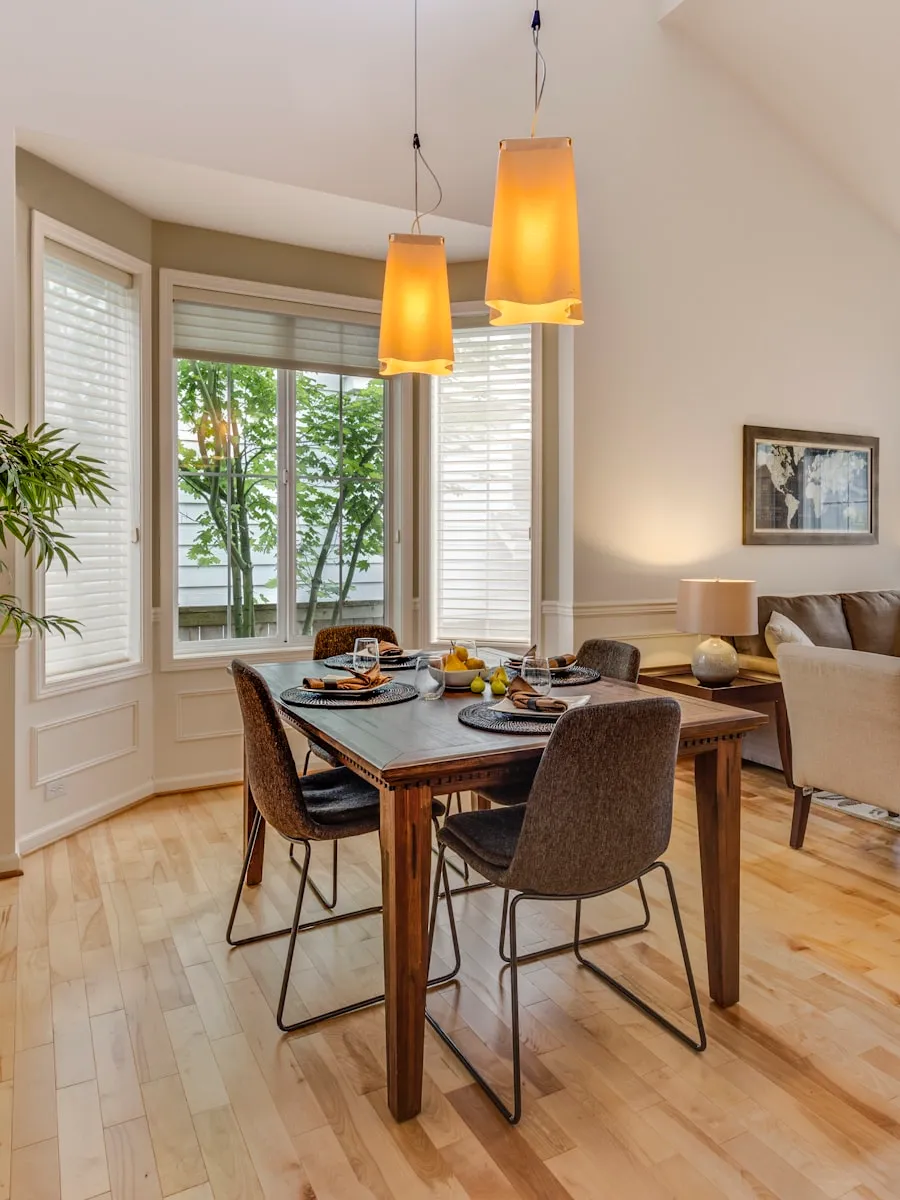
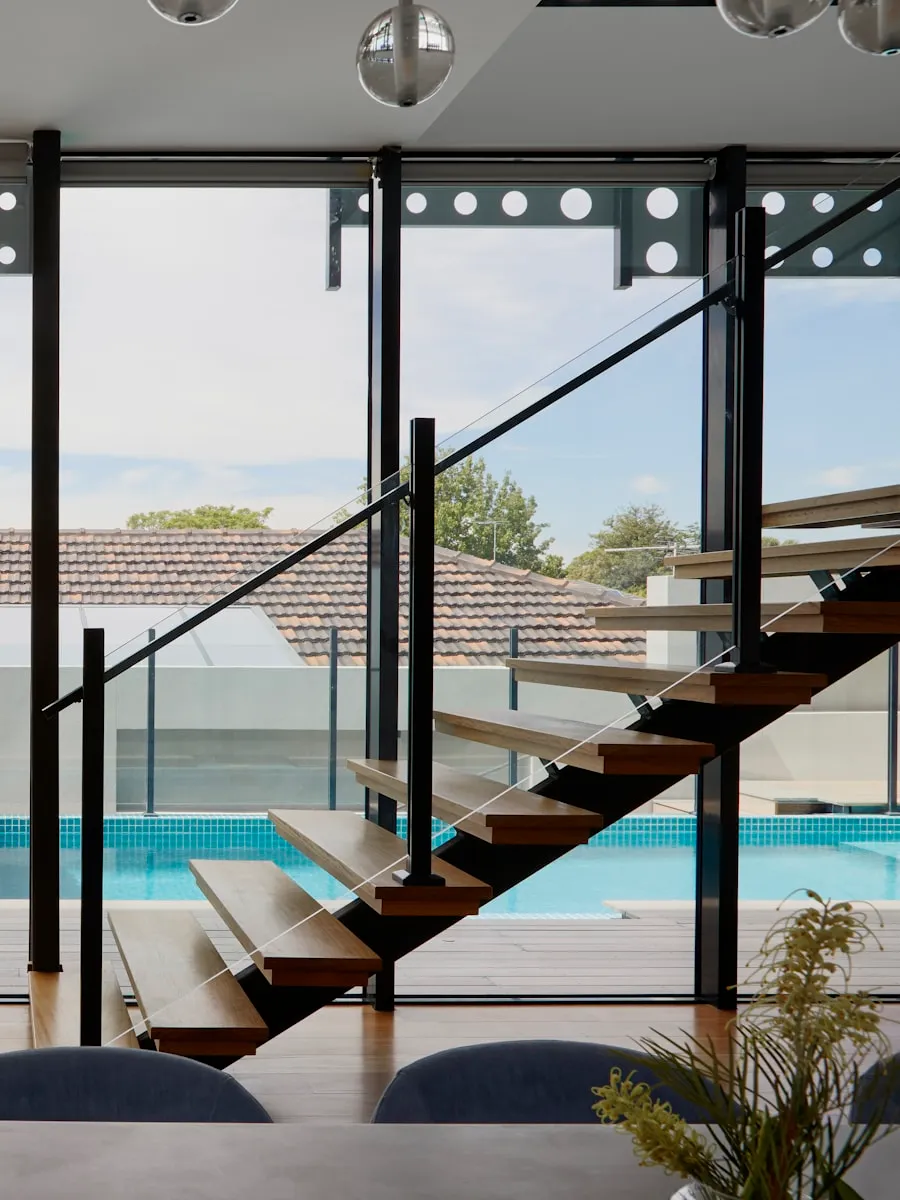
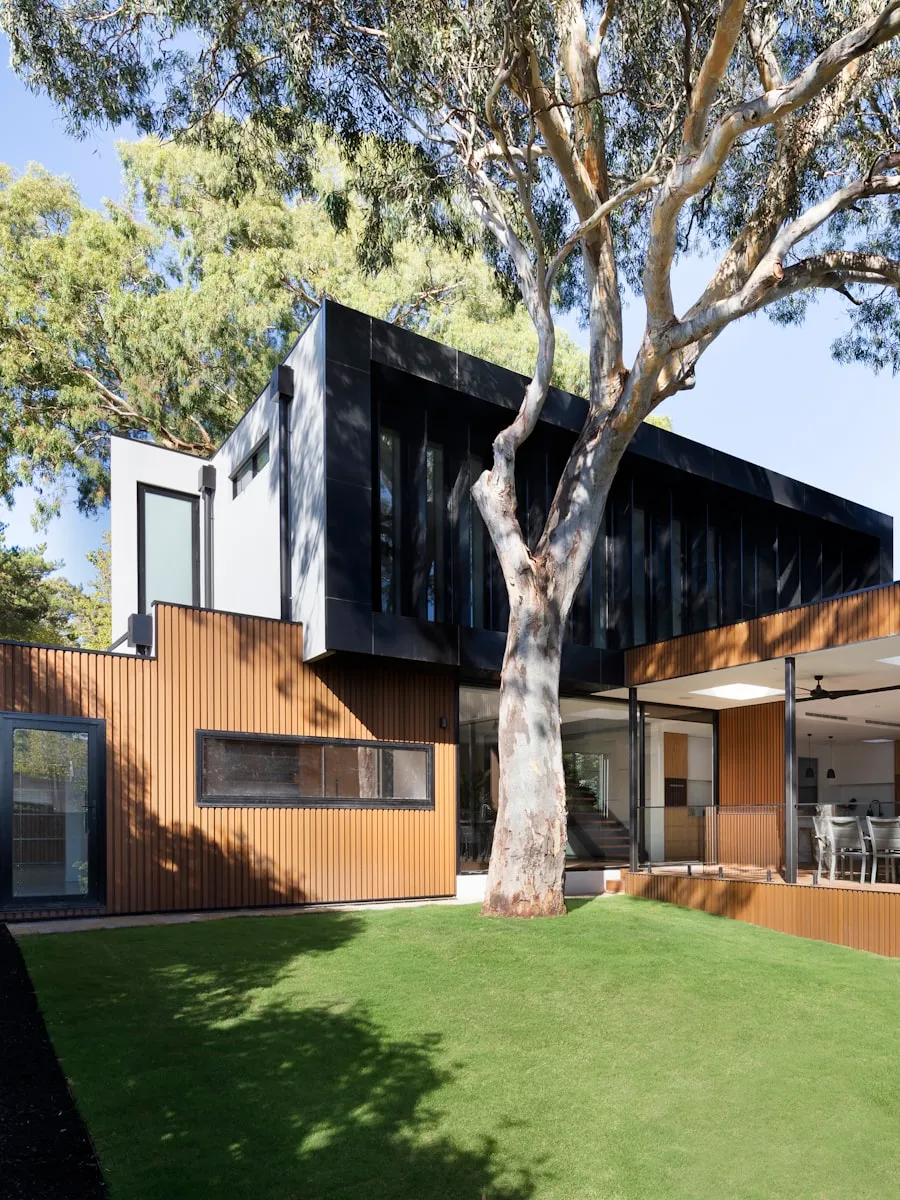
Frequently asked questions
What is scandinavian style?
Scandinavian style pairs pale walls, blond wood and natural textiles to make the most of scarce daylight. Furniture sits low on slim legs so the floor stays visible. The palette holds to white, beige and grey, warmed by oak, wool and linen.
What palette suits a scandinavian interior?
Off-white, warm grey, sand beige, natural oak
What mistake should I avoid with scandinavian style?
Pure cold white: it turns clinical as soon as the light drops. Pick a slightly broken white.
Close combinations
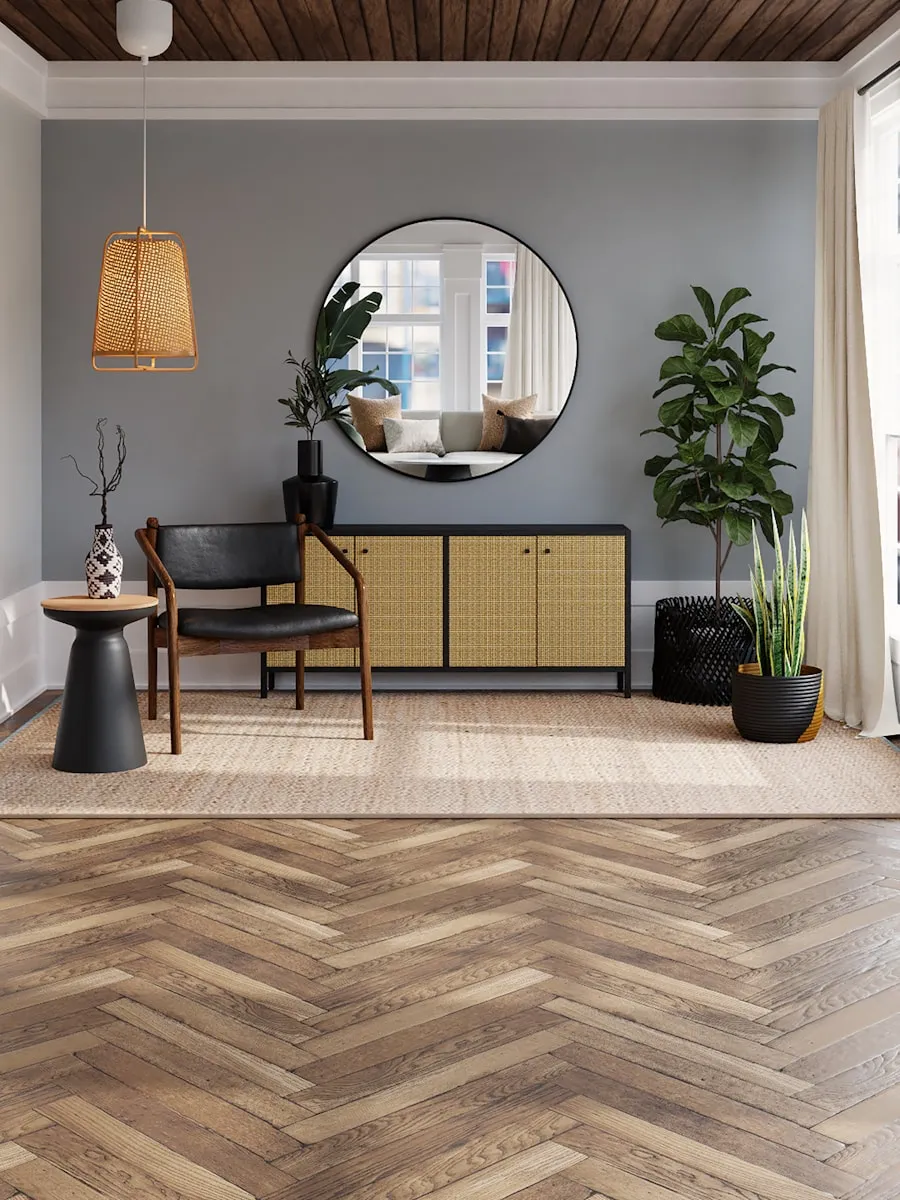
Updated 2026-08-21