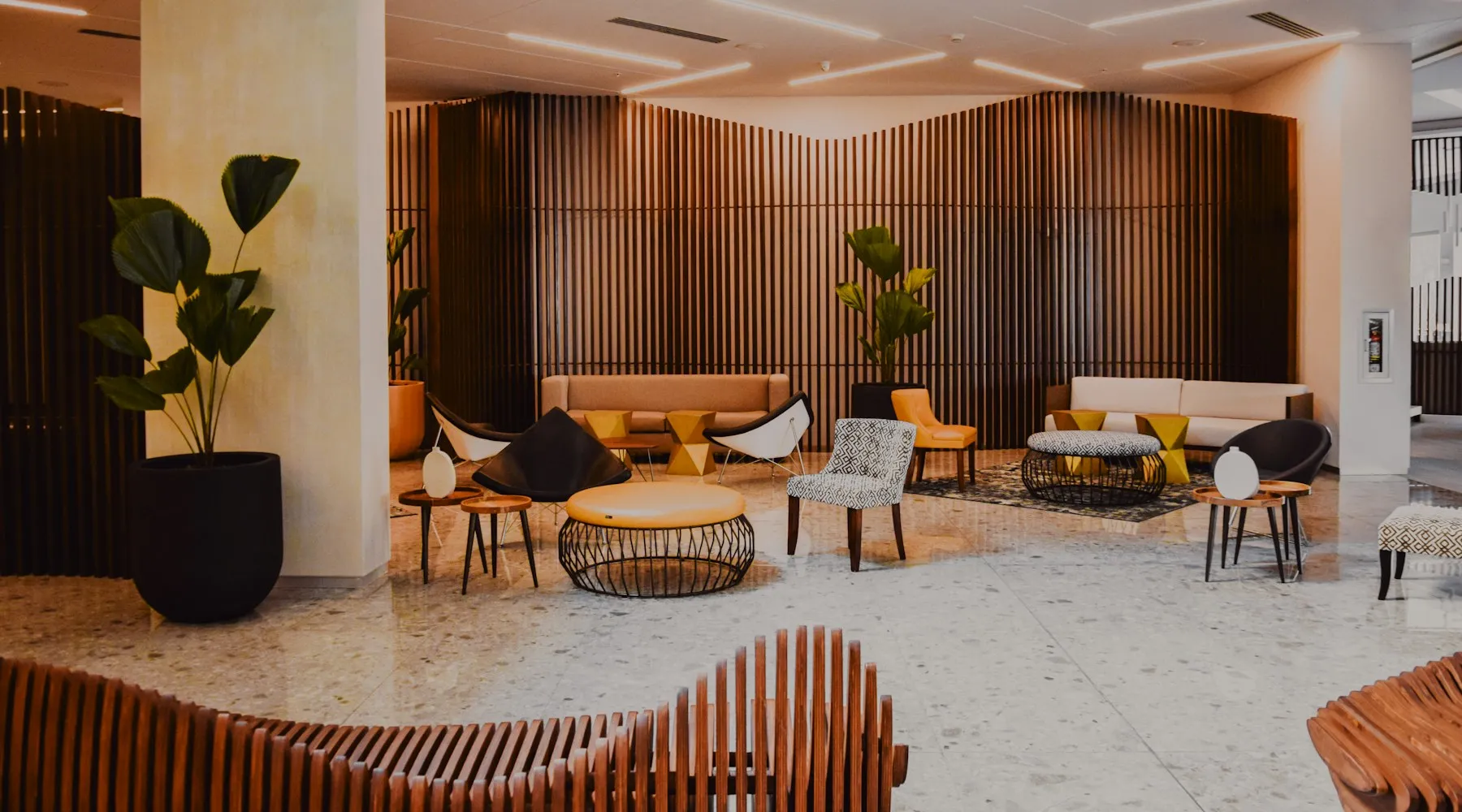
Minimalist style: transform your interior
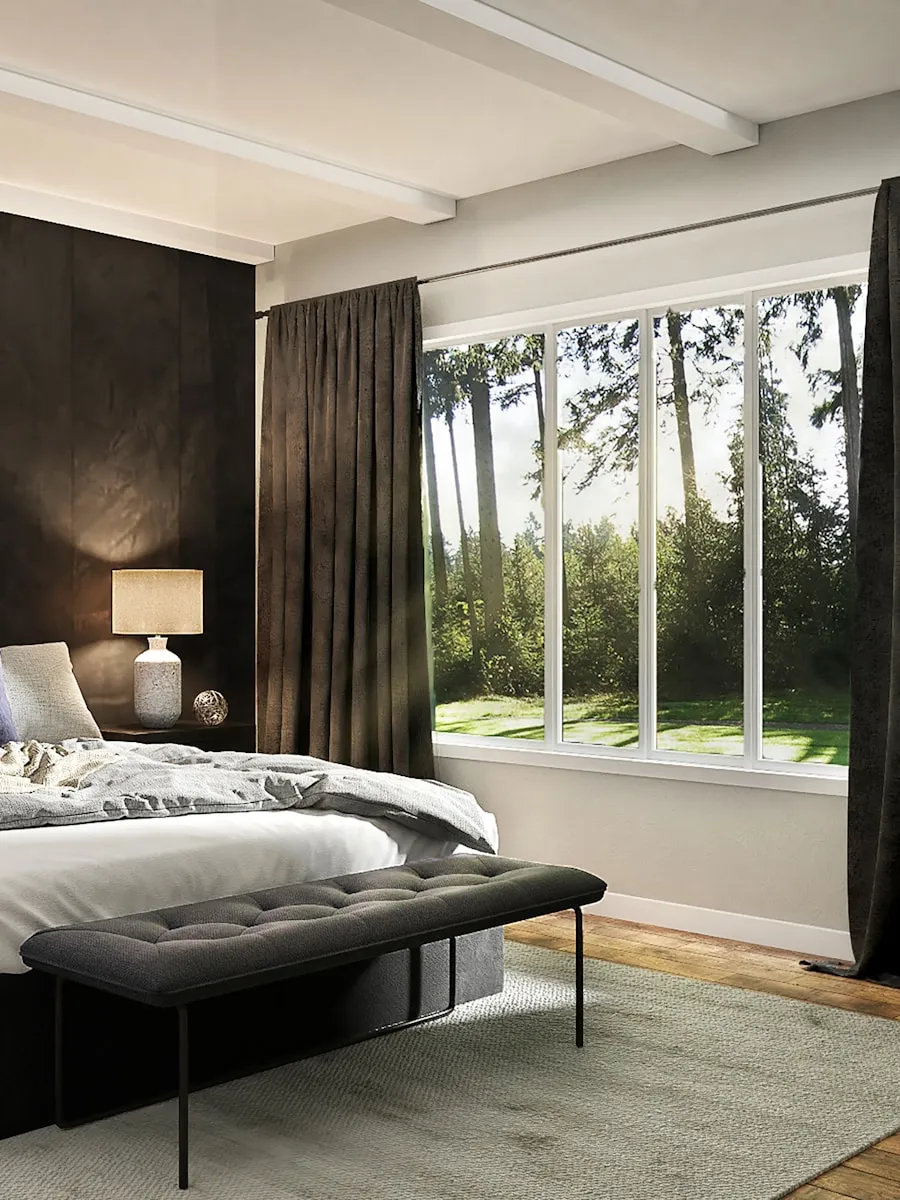
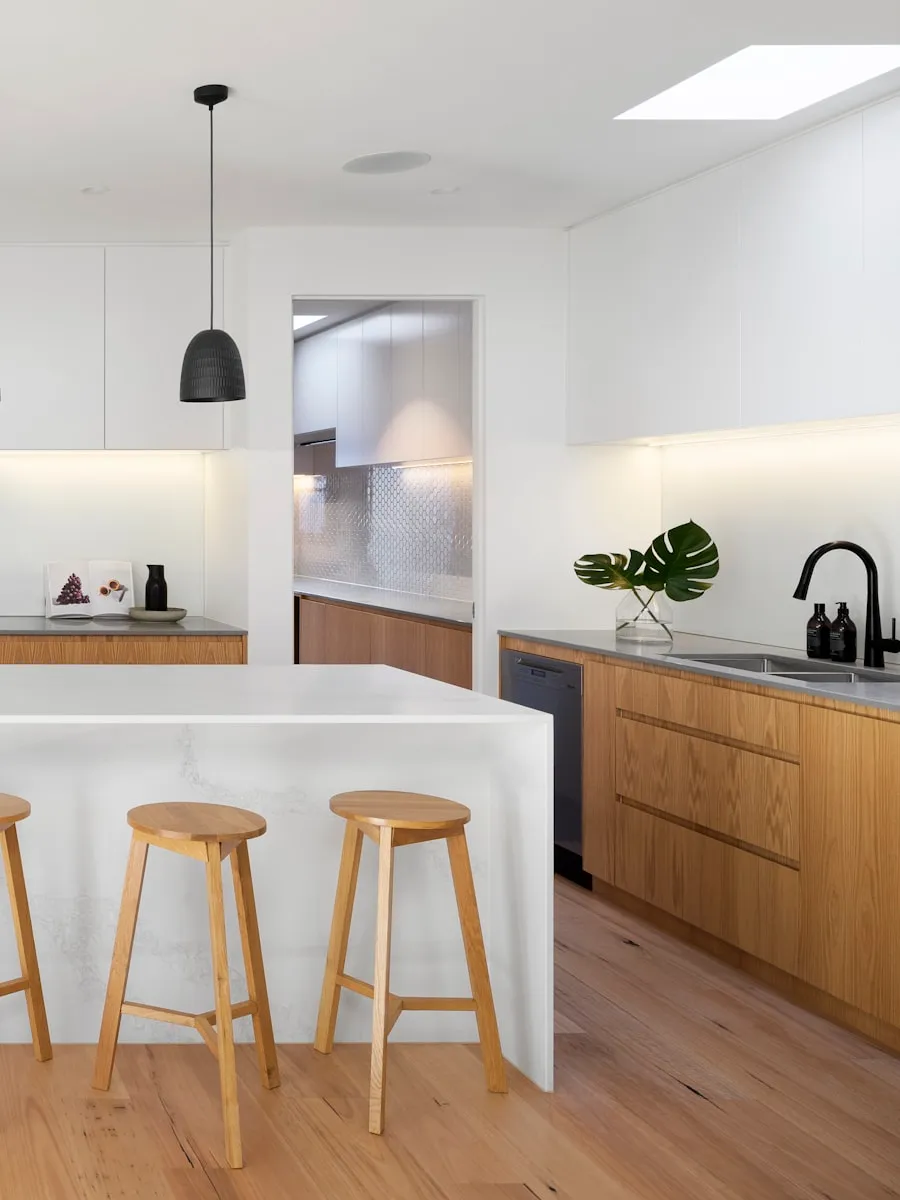
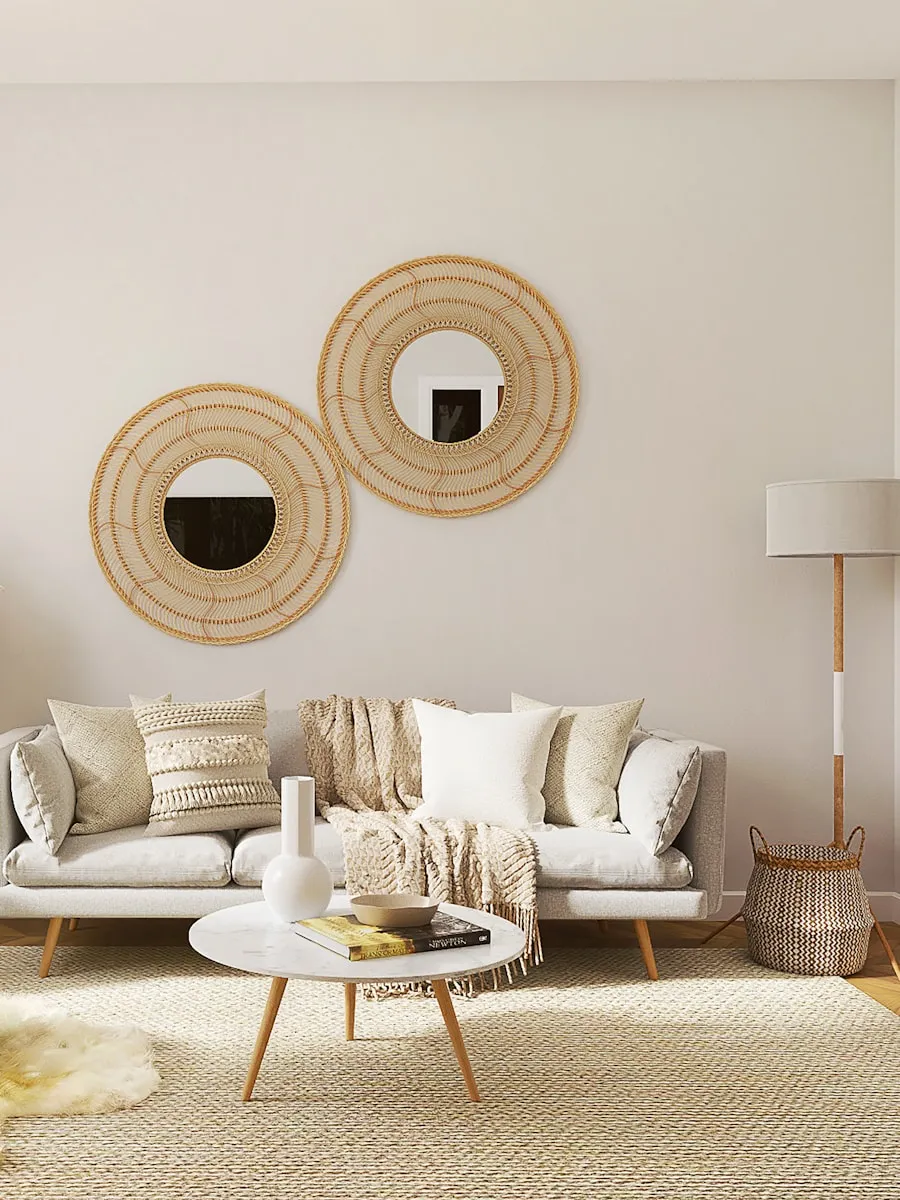
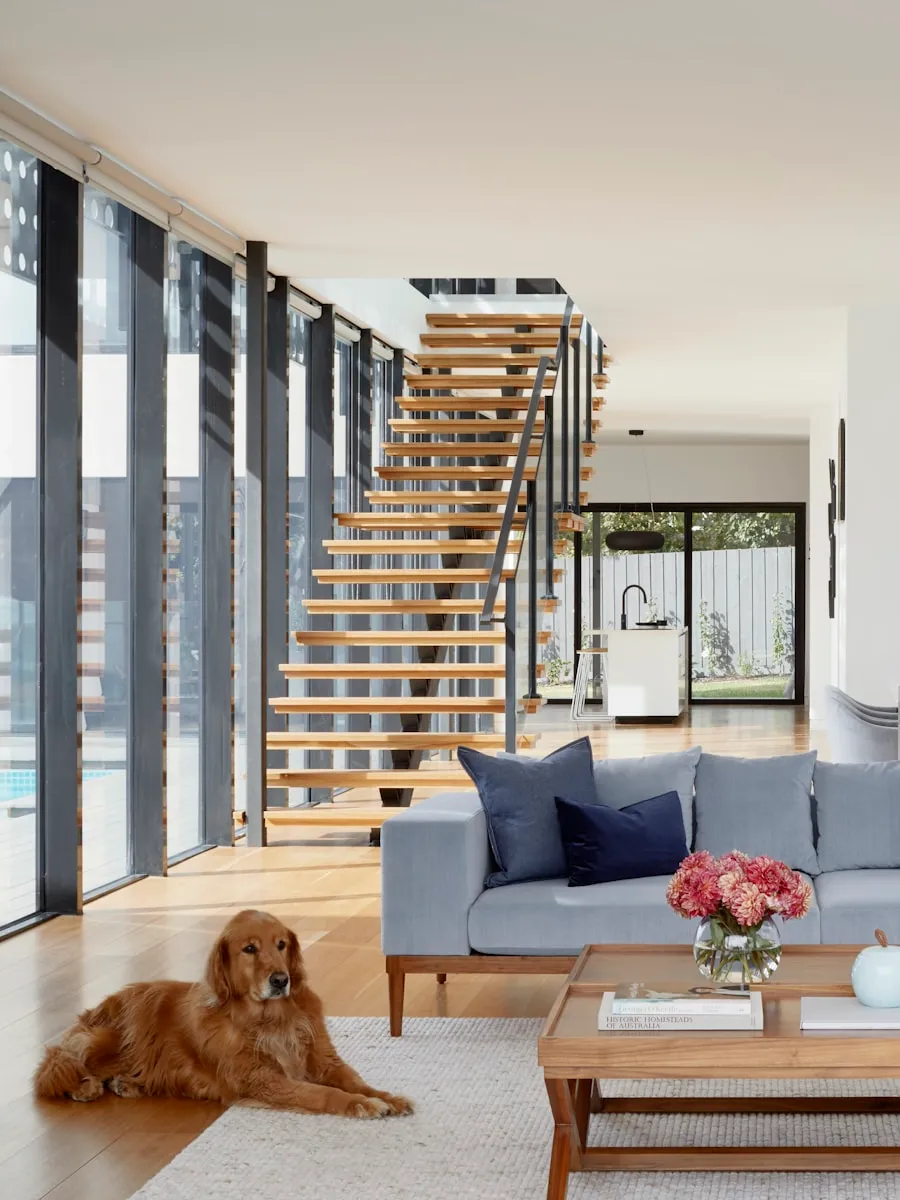
Minimalism removes rather than adds: monochrome walls, furniture cut to the essentials, no decoration set down on surfaces. The composition rests on proportion, light and cast shadow. A single honest material — concrete, solid wood or linen — is enough to give it character.
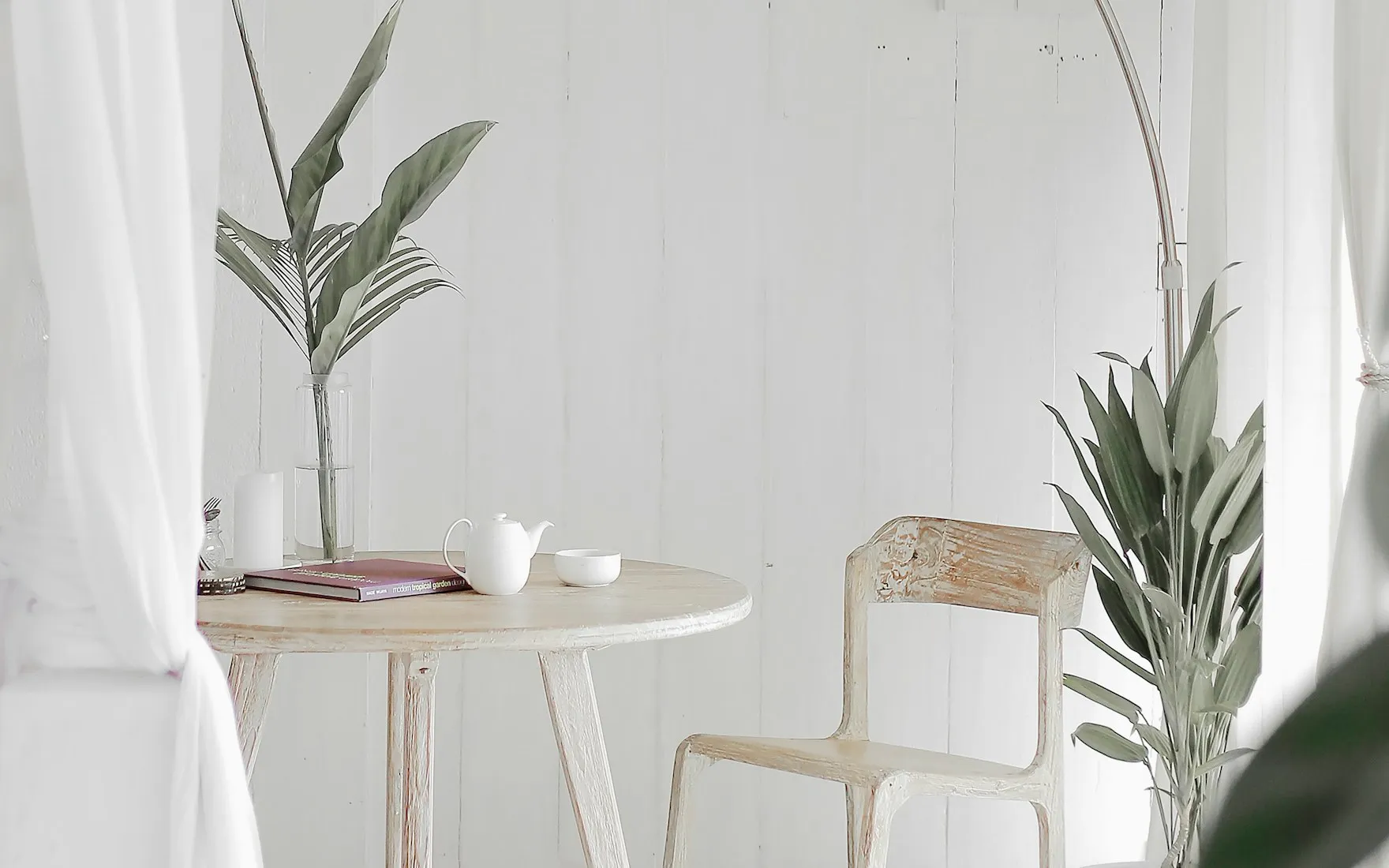
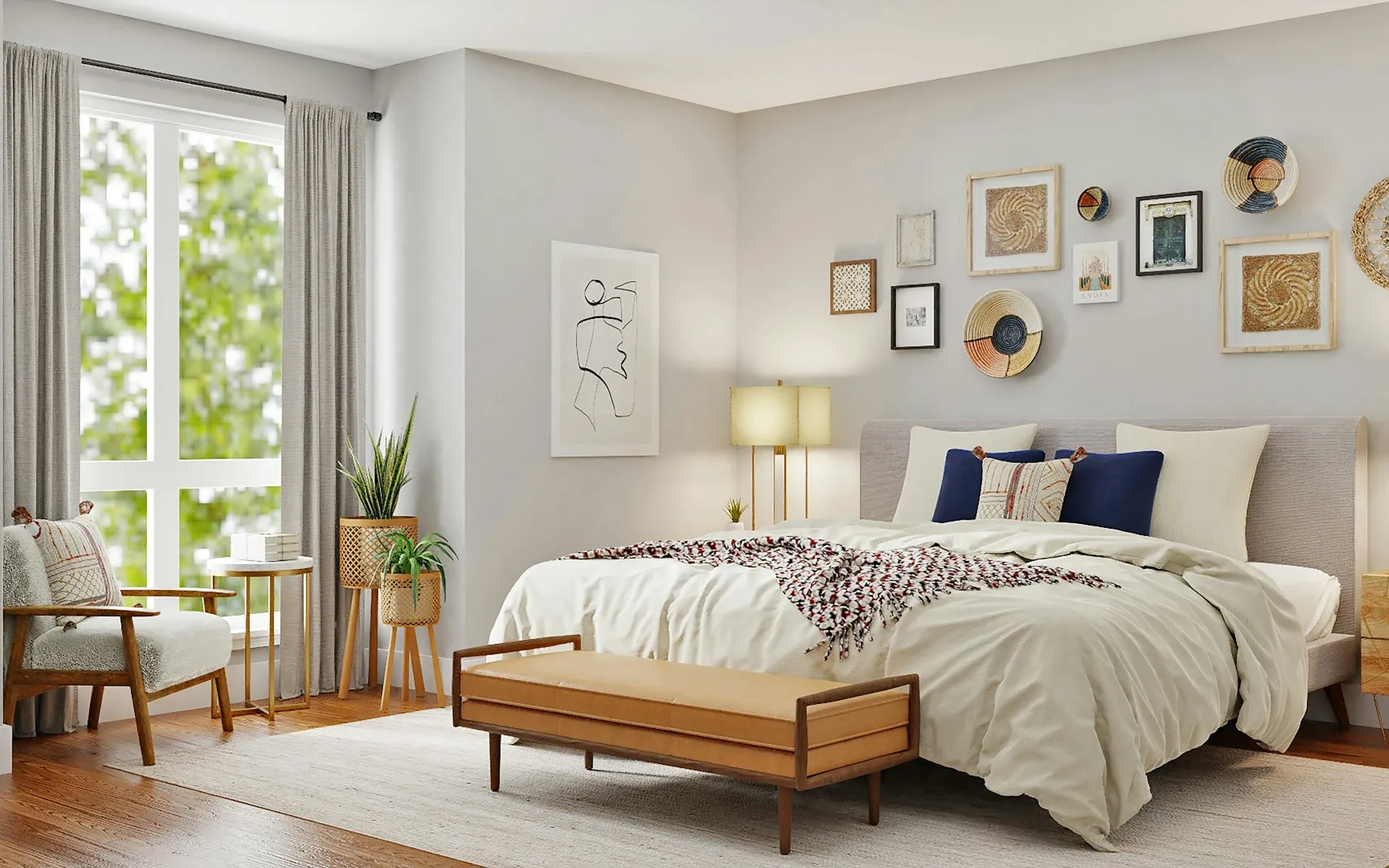
Drag to compare
An ordinary room, then the same volume treated in minimalist style.
Understanding minimalist style
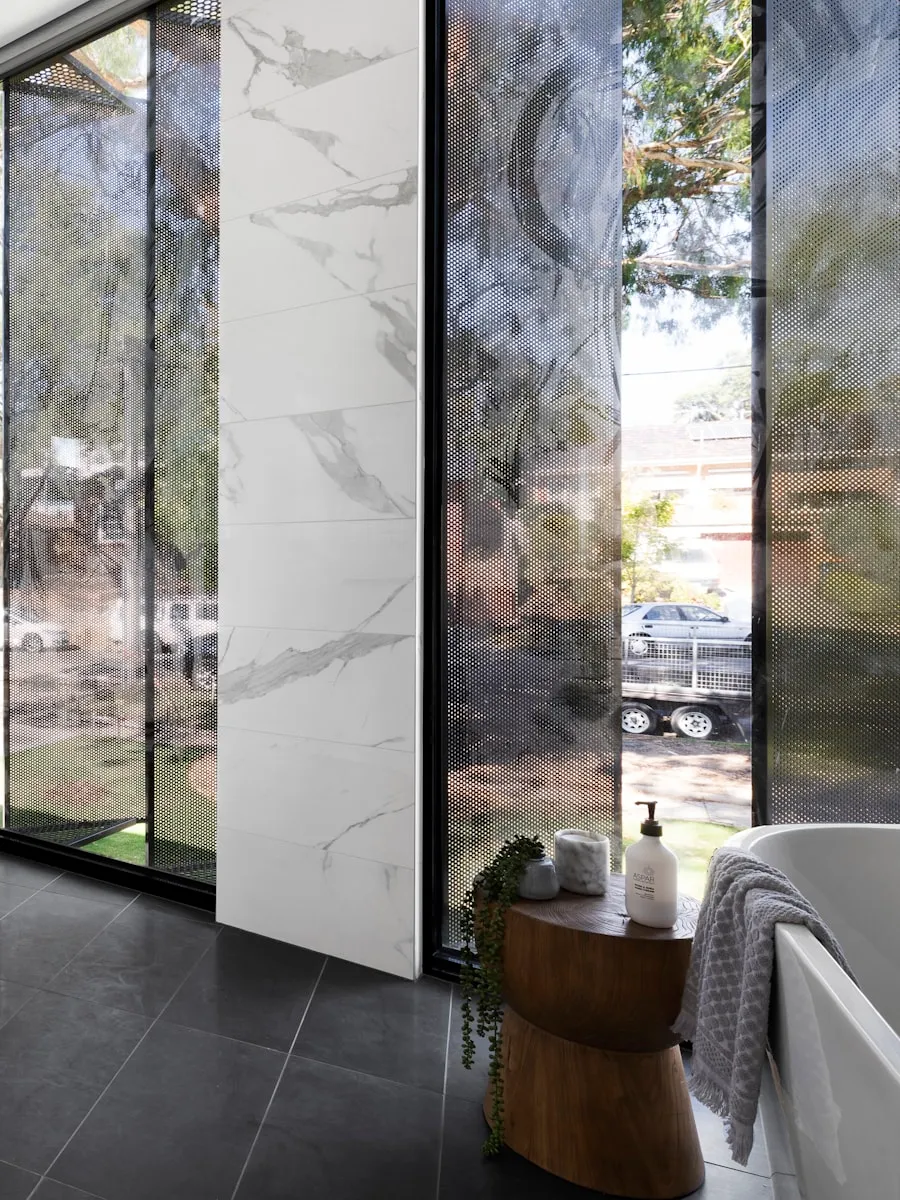
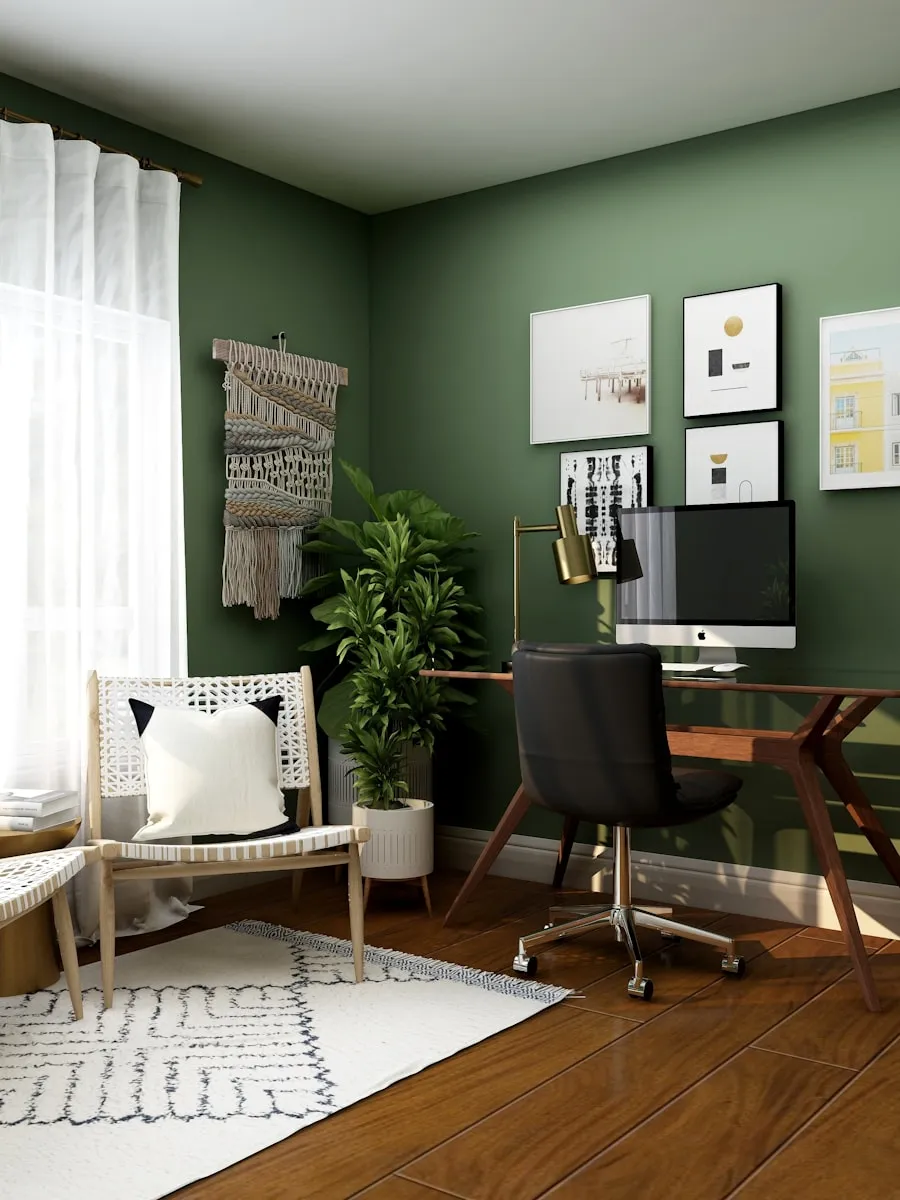
Minimalism is the least forgiving style and the most misread. Stripping objects out of a bad room does not make it minimalist — it just makes it empty. What holds the style together is proportion: the height of a sofa back against a windowsill, a worktop aligned with a lintel, and the quality of one material left raw. Light does the work decoration would otherwise do; a well-placed opening drawing a sharp shadow across a matte wall beats three framed prints. In practice it demands generous built-in storage and daily discipline. It suits studios and small floorplans especially well, where every visible object shrinks the perceived space.
The mistake to avoid
Half measures. Minimalism with six decorative cushions is just an under-furnished living room.
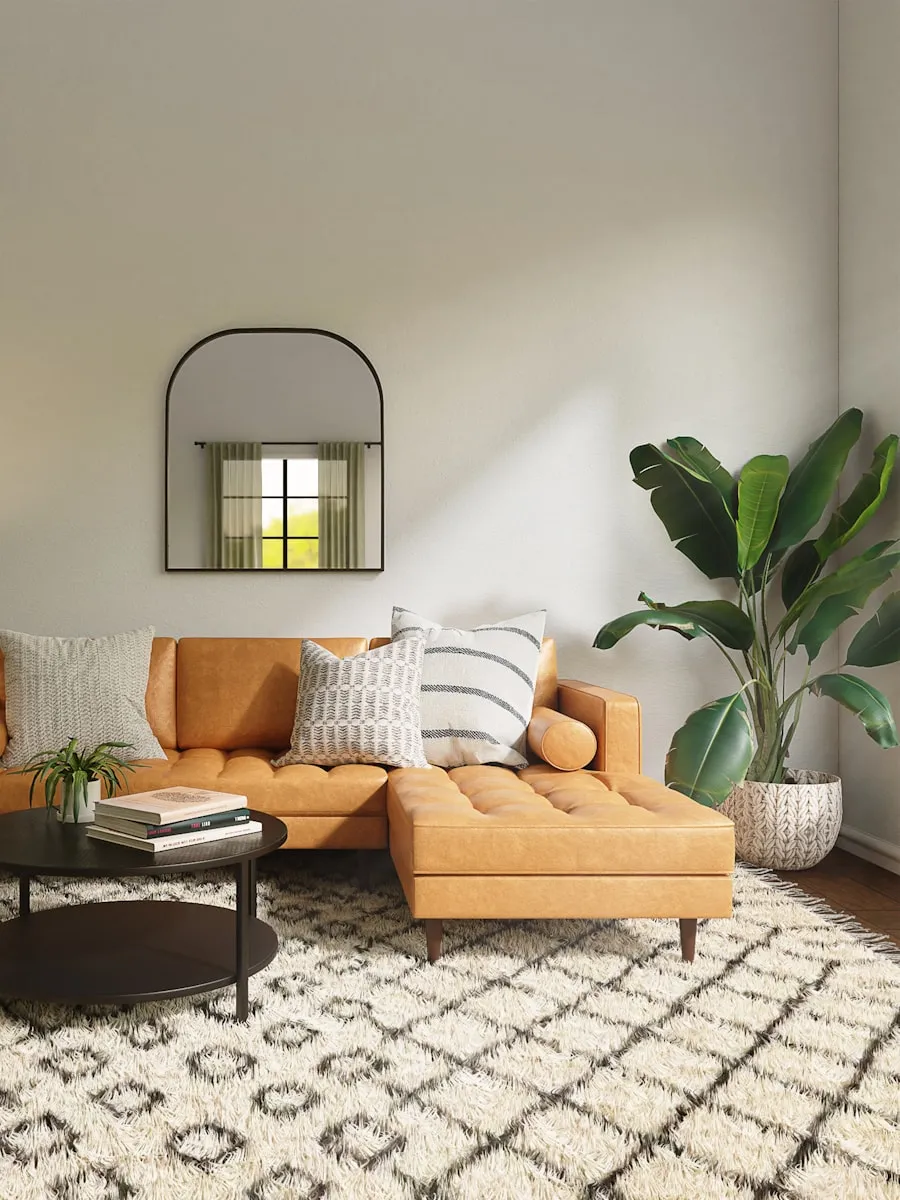
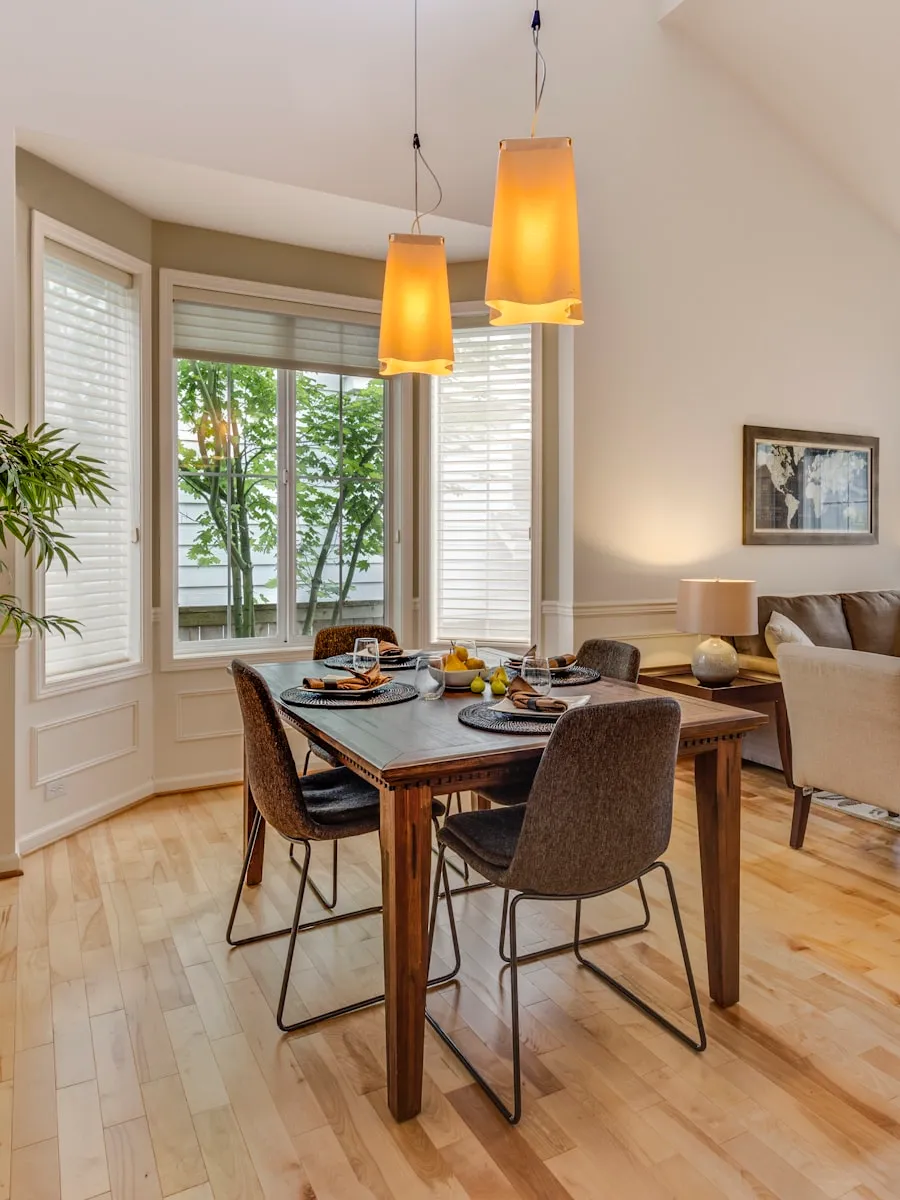
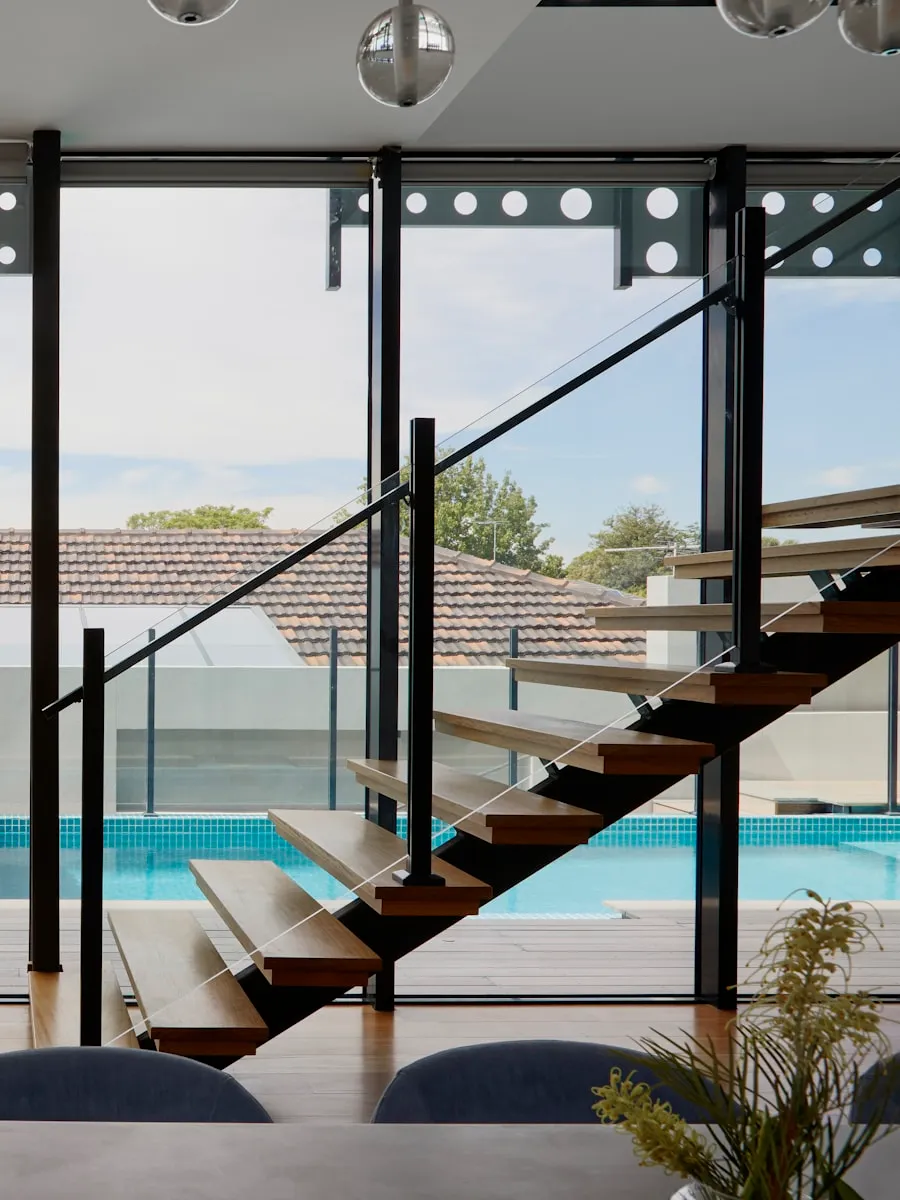
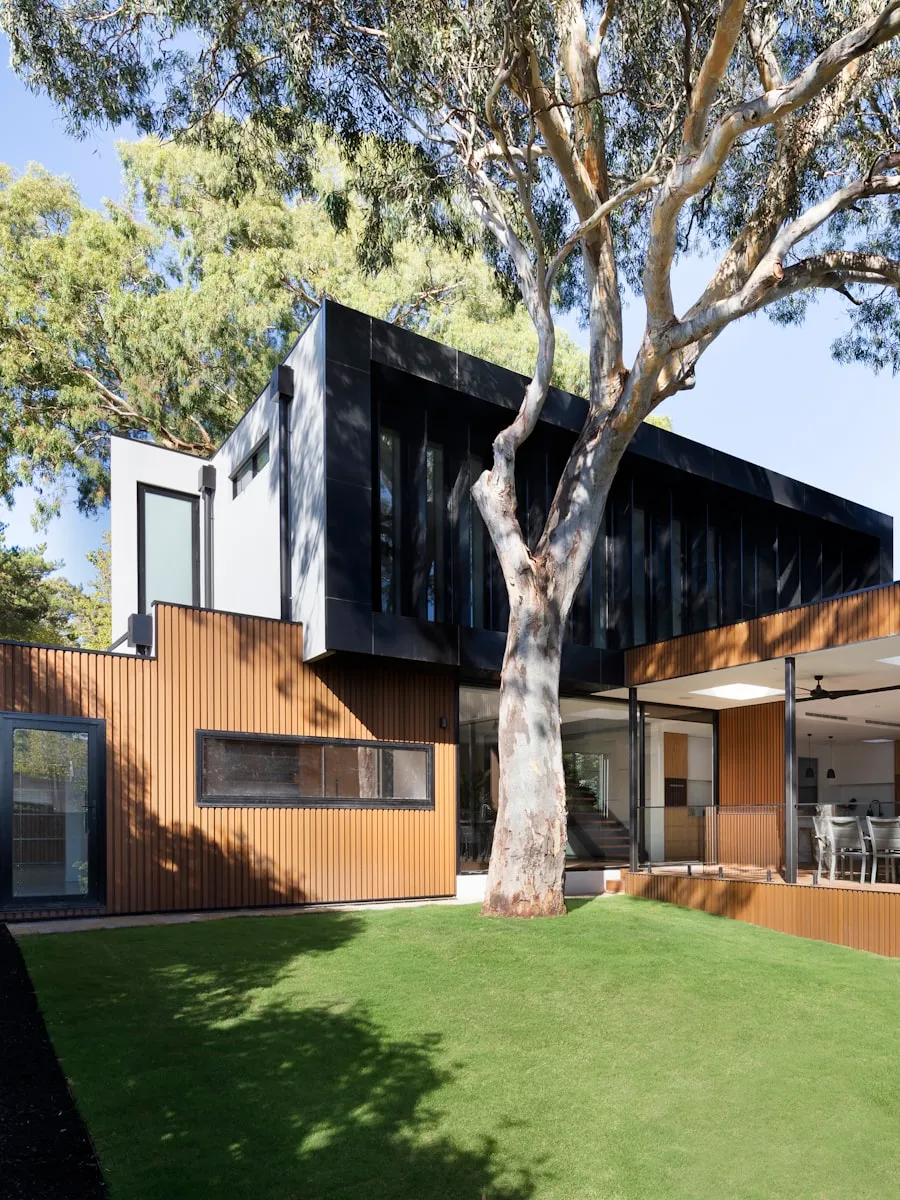
This style, room by room
Frequently asked questions
What is minimalist style?
Minimalism removes rather than adds: monochrome walls, furniture cut to the essentials, no decoration set down on surfaces. The composition rests on proportion, light and cast shadow. A single honest material — concrete, solid wood or linen — is enough to give it character.
What palette suits a minimalist interior?
White, cement grey, matte black
What mistake should I avoid with minimalist style?
Half measures. Minimalism with six decorative cushions is just an under-furnished living room.
Close combinations
Updated 2026-08-21