Contemporary style: transform your interior
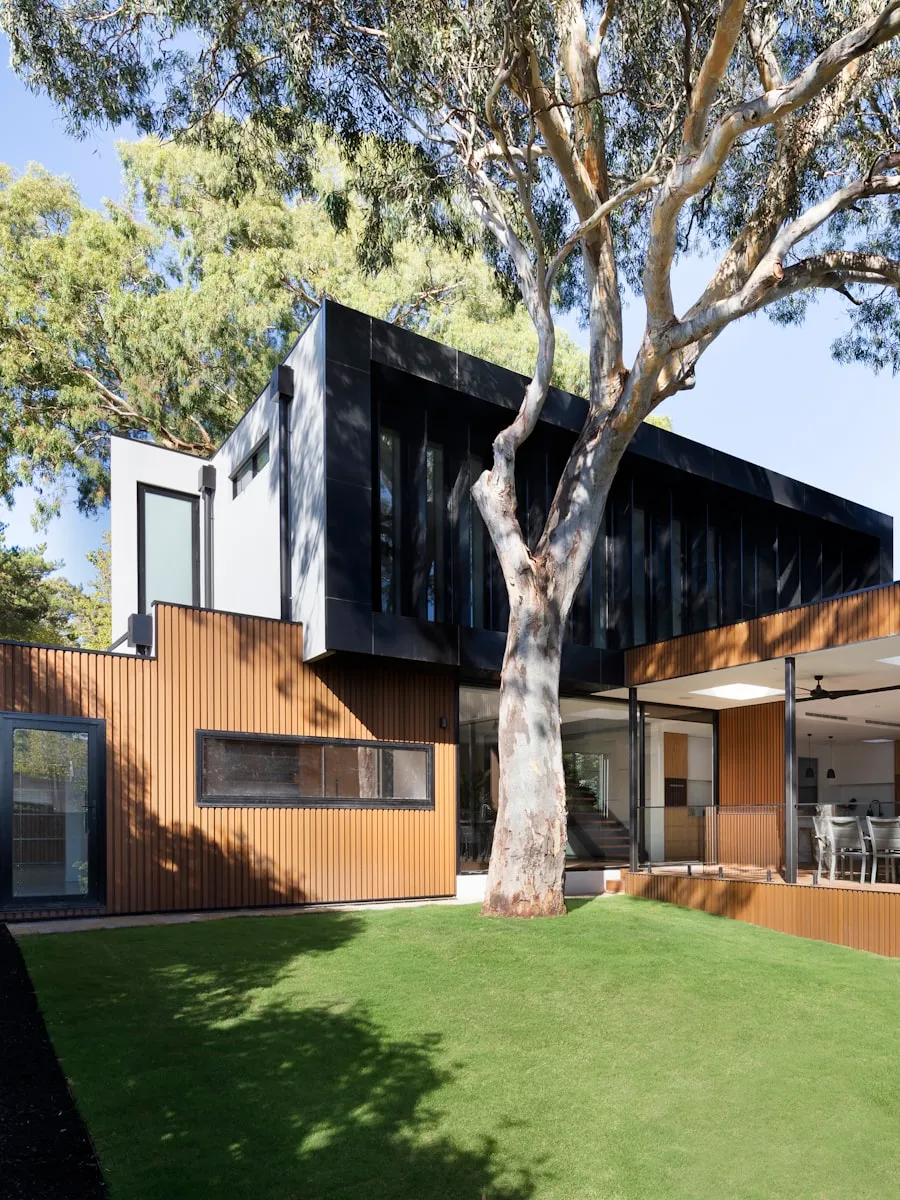
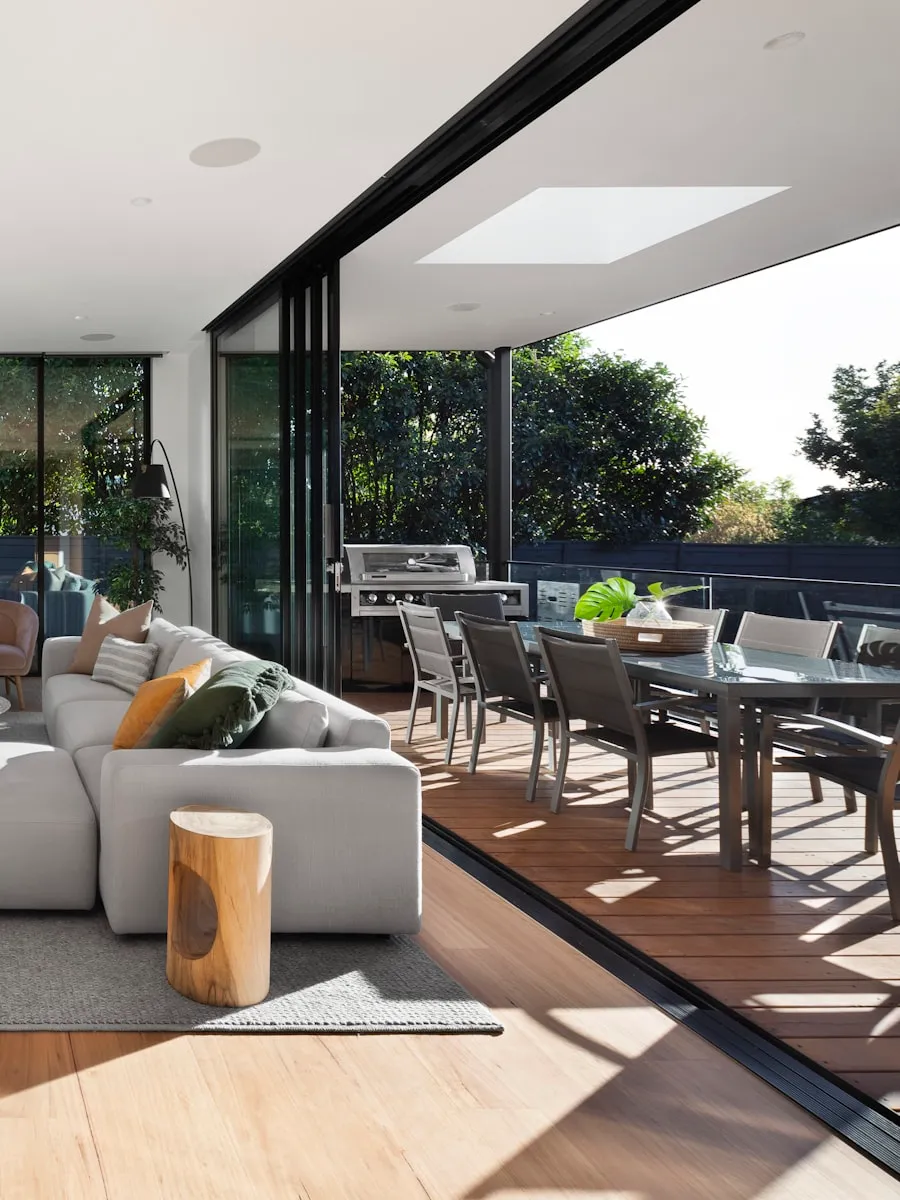
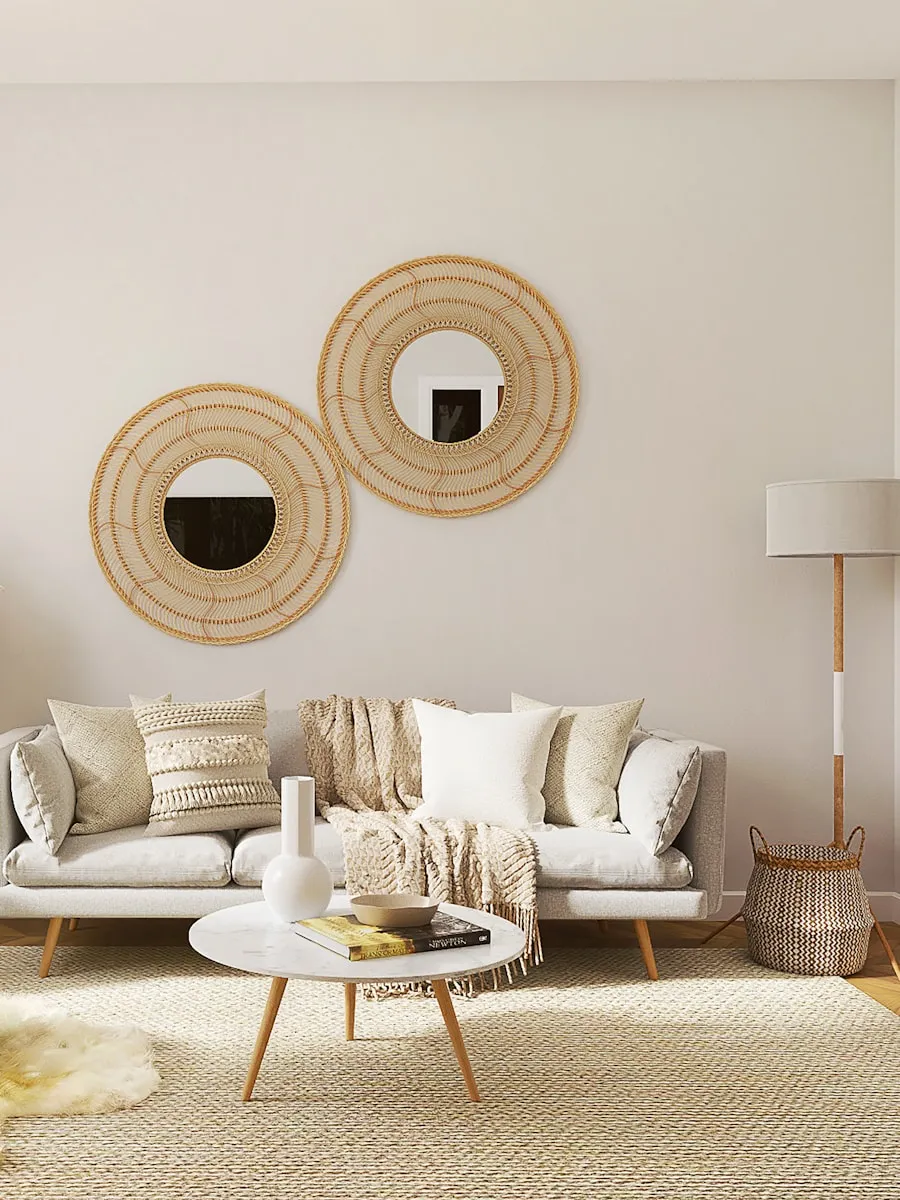
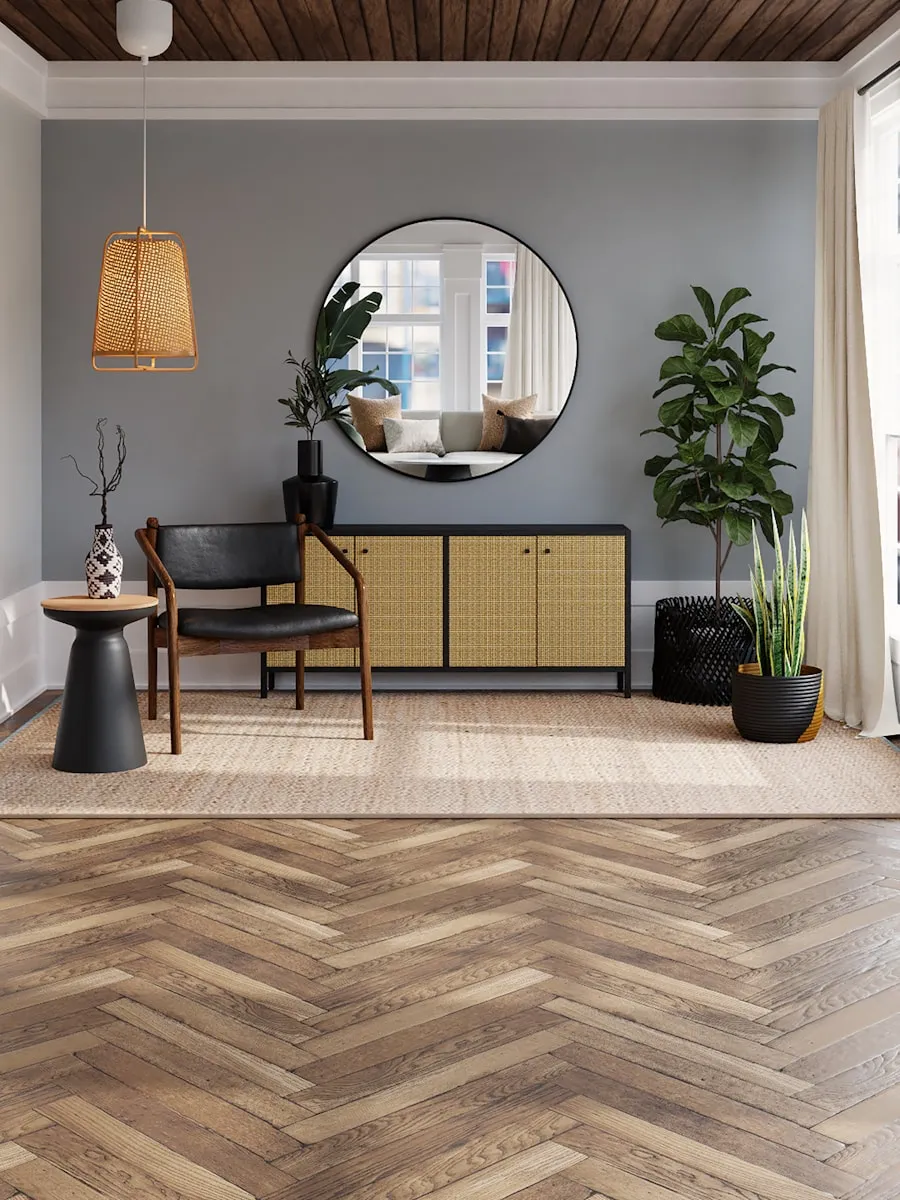
Contemporary is the most flexible style: a neutral base, rounded forms, and one or two strong pieces — a curved sofa, a sculptural light, a large-format artwork. It shifts faster than modern because it follows what is being made now rather than a fixed canon.
Drag to compare
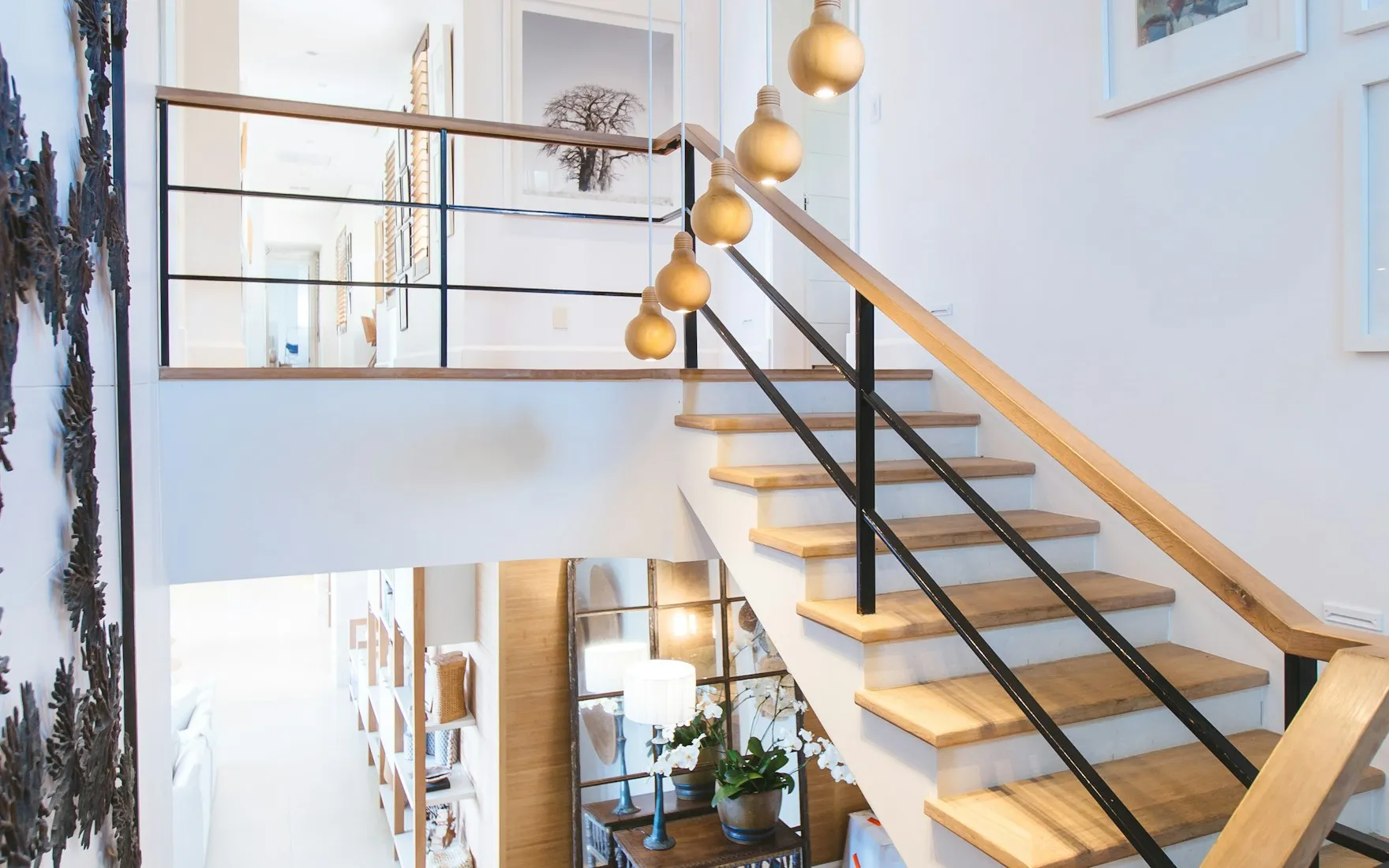
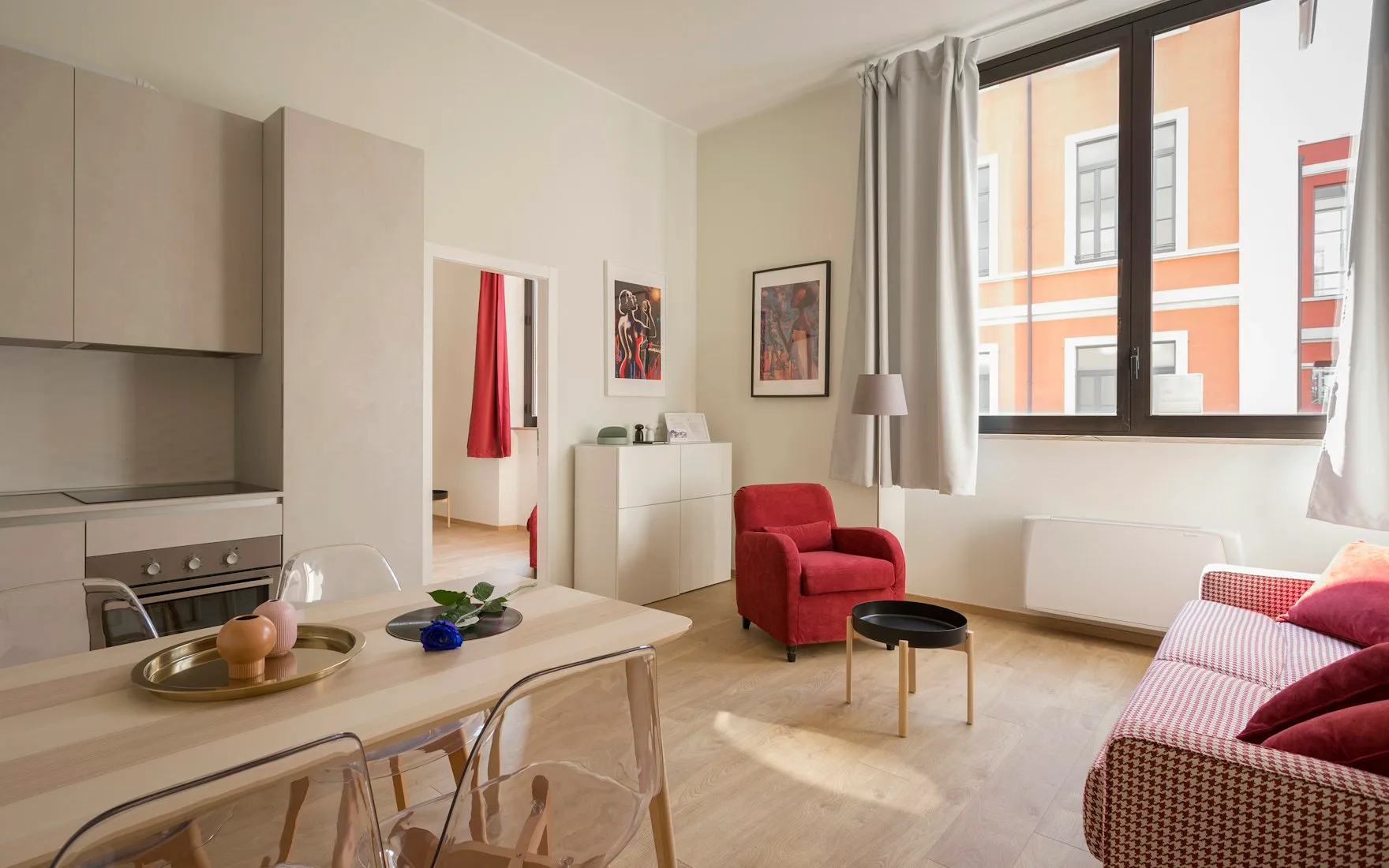
An ordinary room, then the same volume treated in contemporary style.
Understanding contemporary style
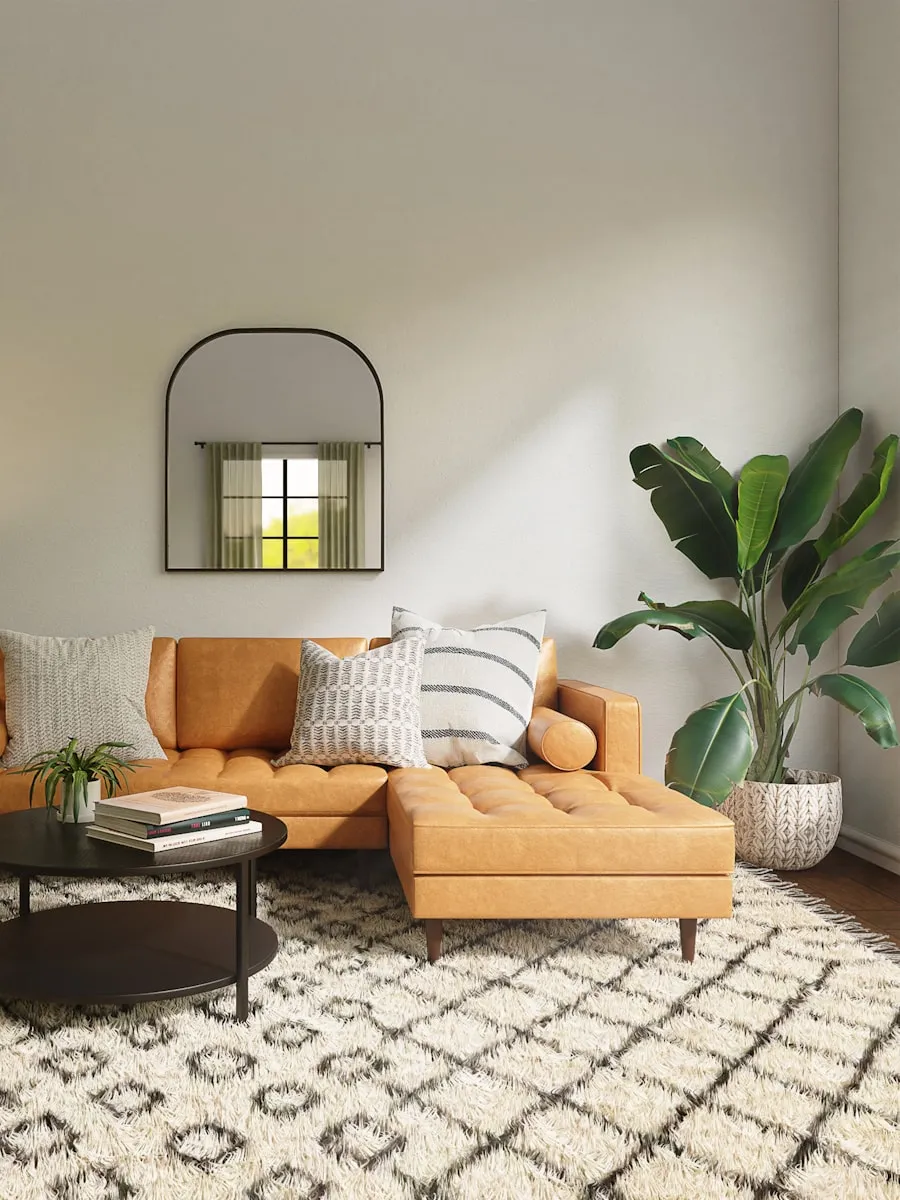
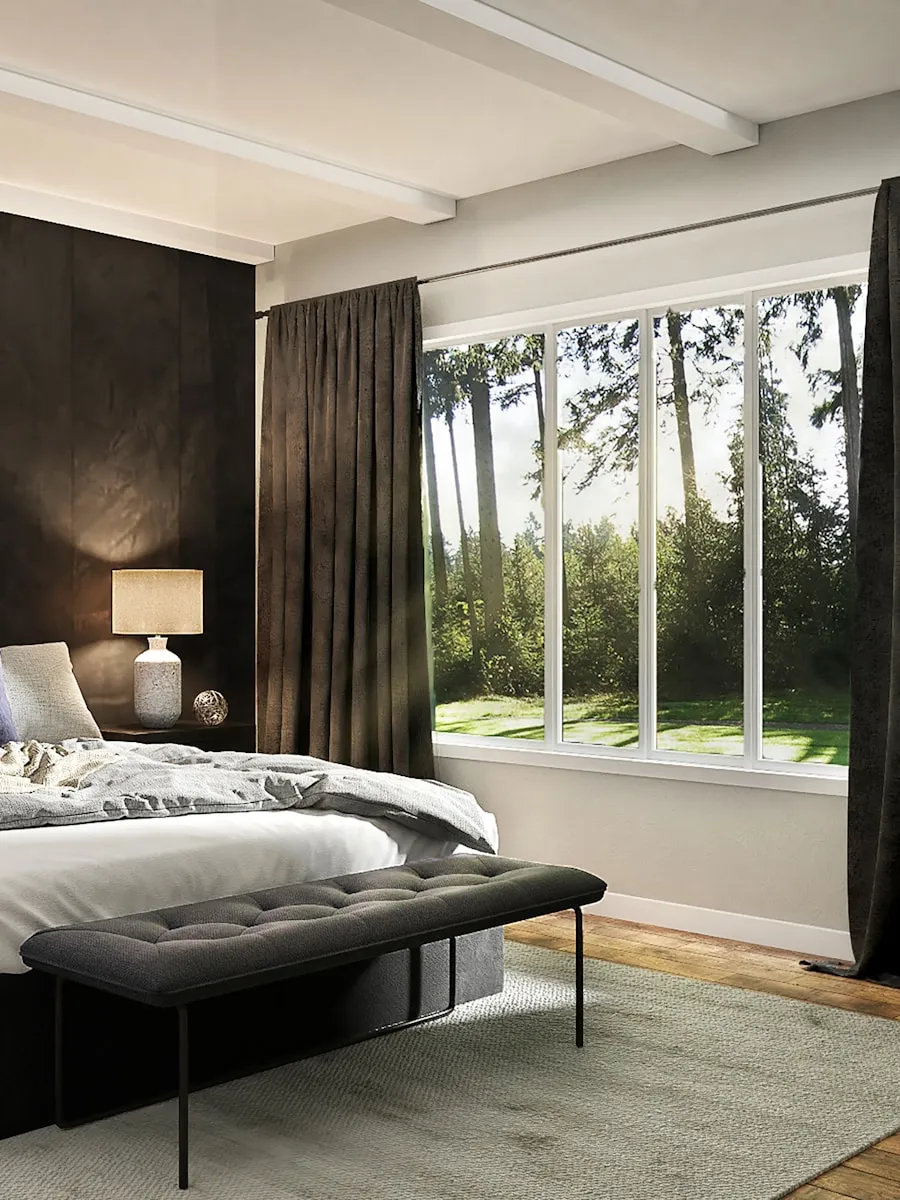
Contemporary and modern get confused constantly. Modern is a dated historical style; contemporary is simply what is being drawn now — so in 2026: curves, tactile materials, cream and terracotta tones, paper or alabaster lighting. Its strength is flexibility: it absorbs an inherited piece or an impulse buy without the whole scheme breaking. Its weakness is the same — without discipline it becomes a catalogue. The useful rule: an entirely neutral base, then a maximum of three strong gestures per room. Past that, each remarkable object cancels the last and you are left with a pile of trends.
The mistake to avoid
Chasing every trend. Two seasons of accumulated accents and the room stops saying anything.
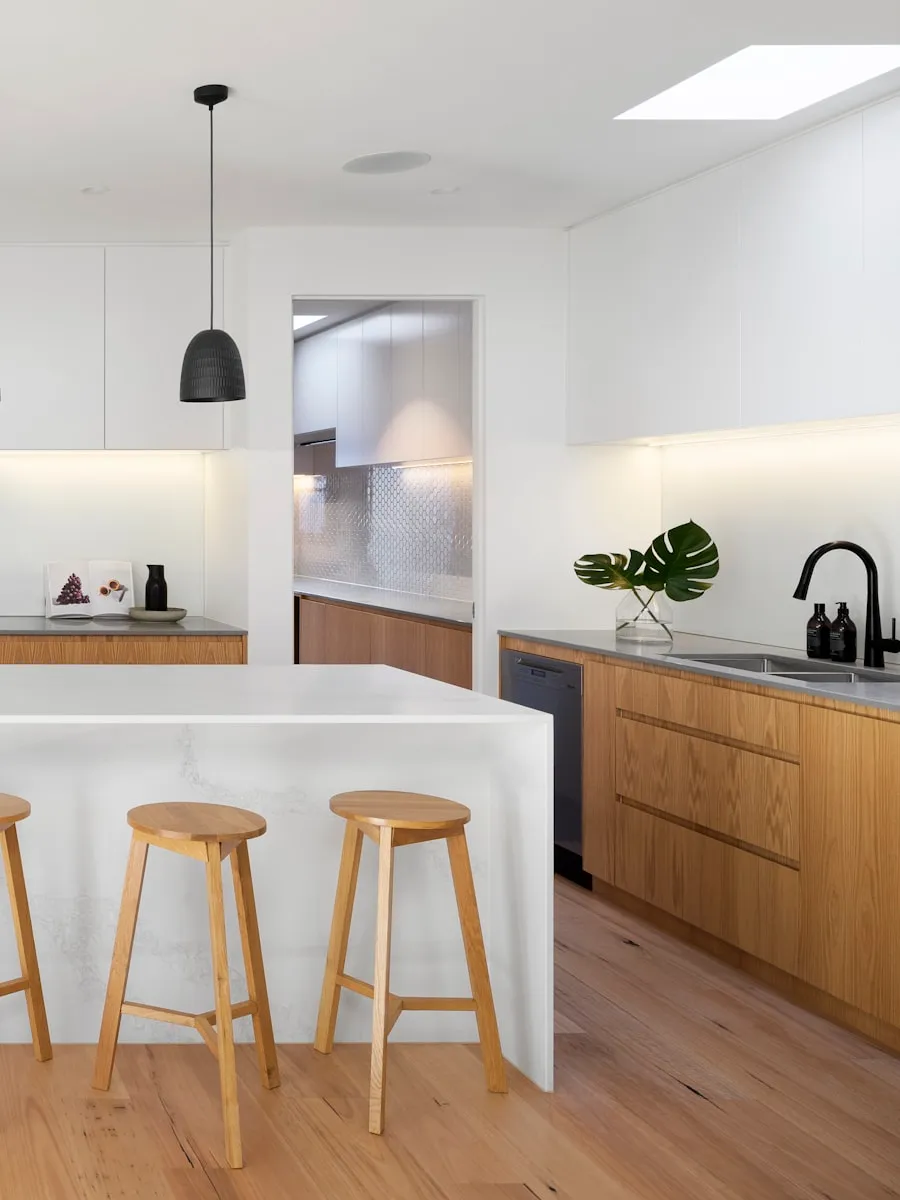
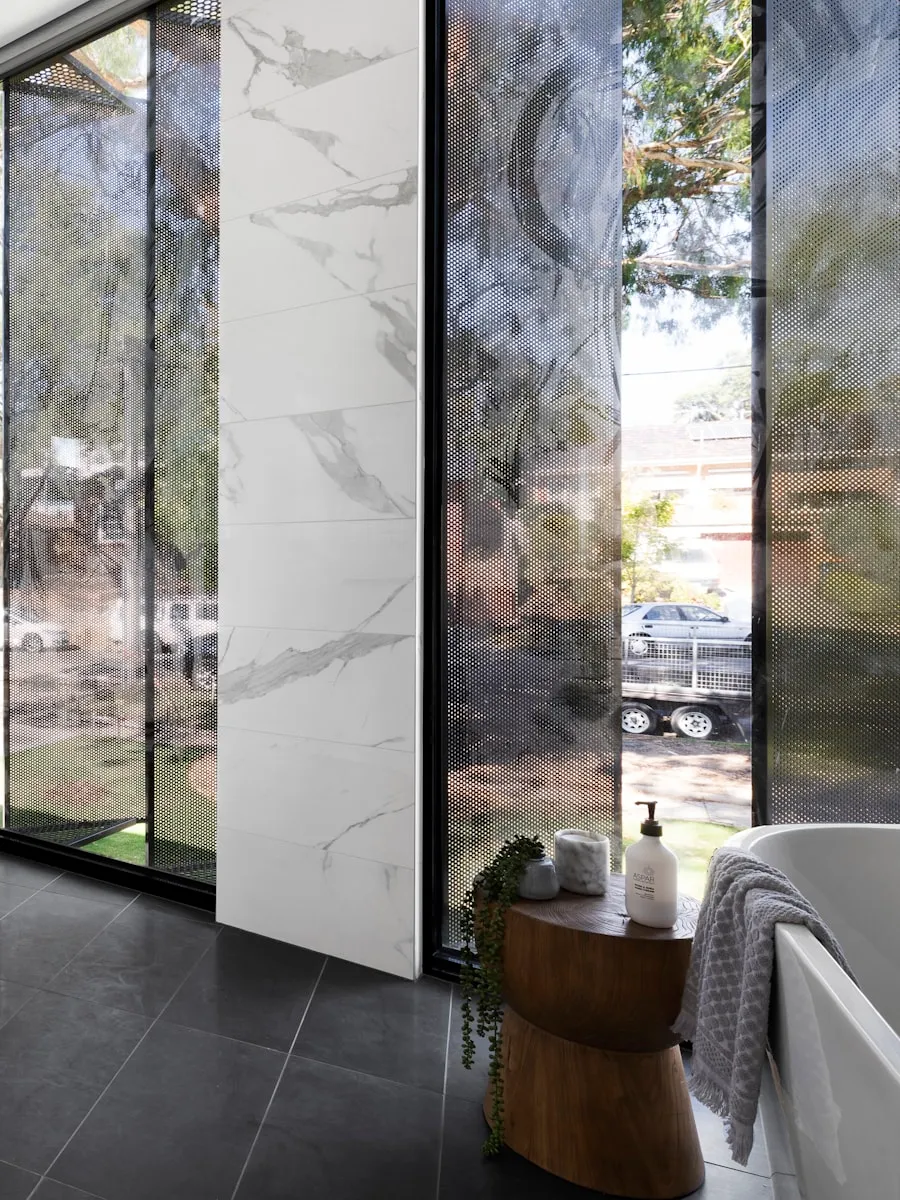
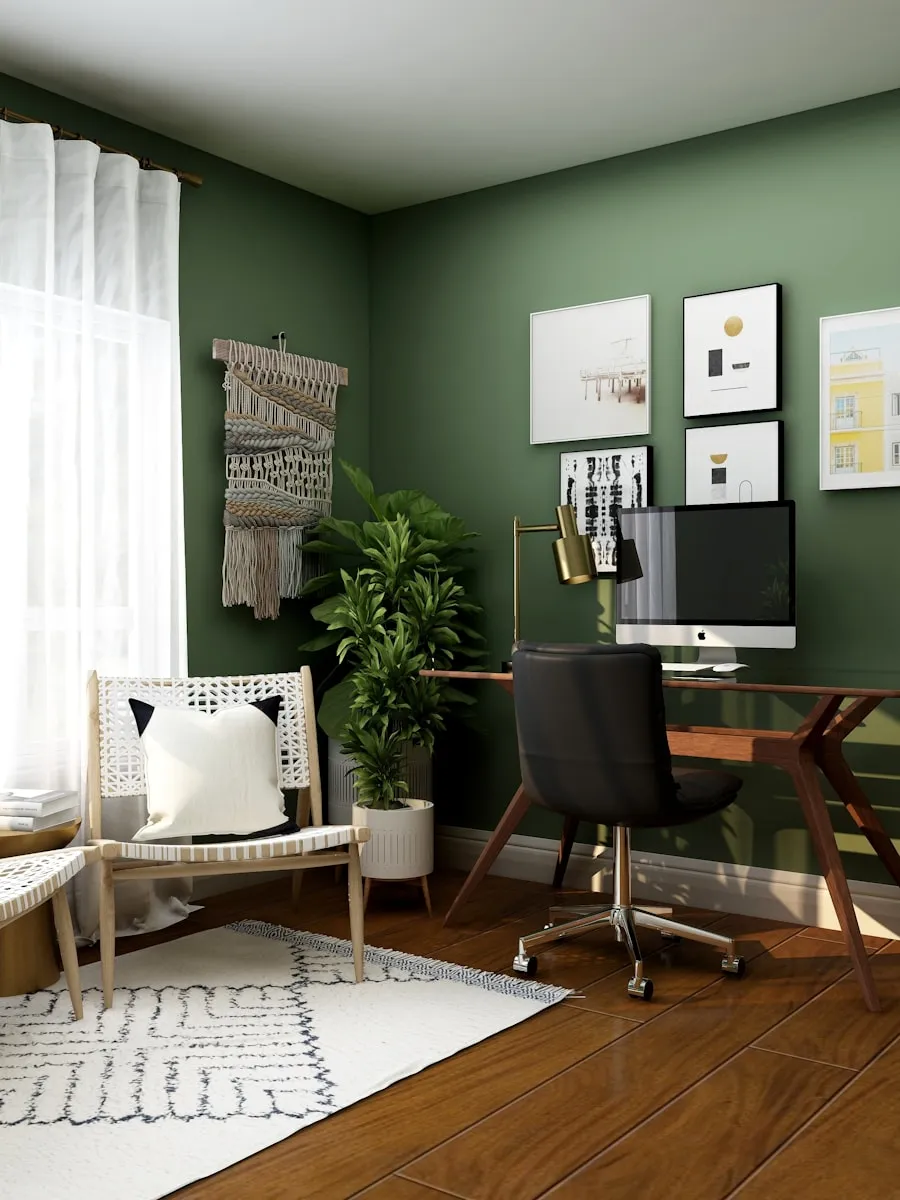
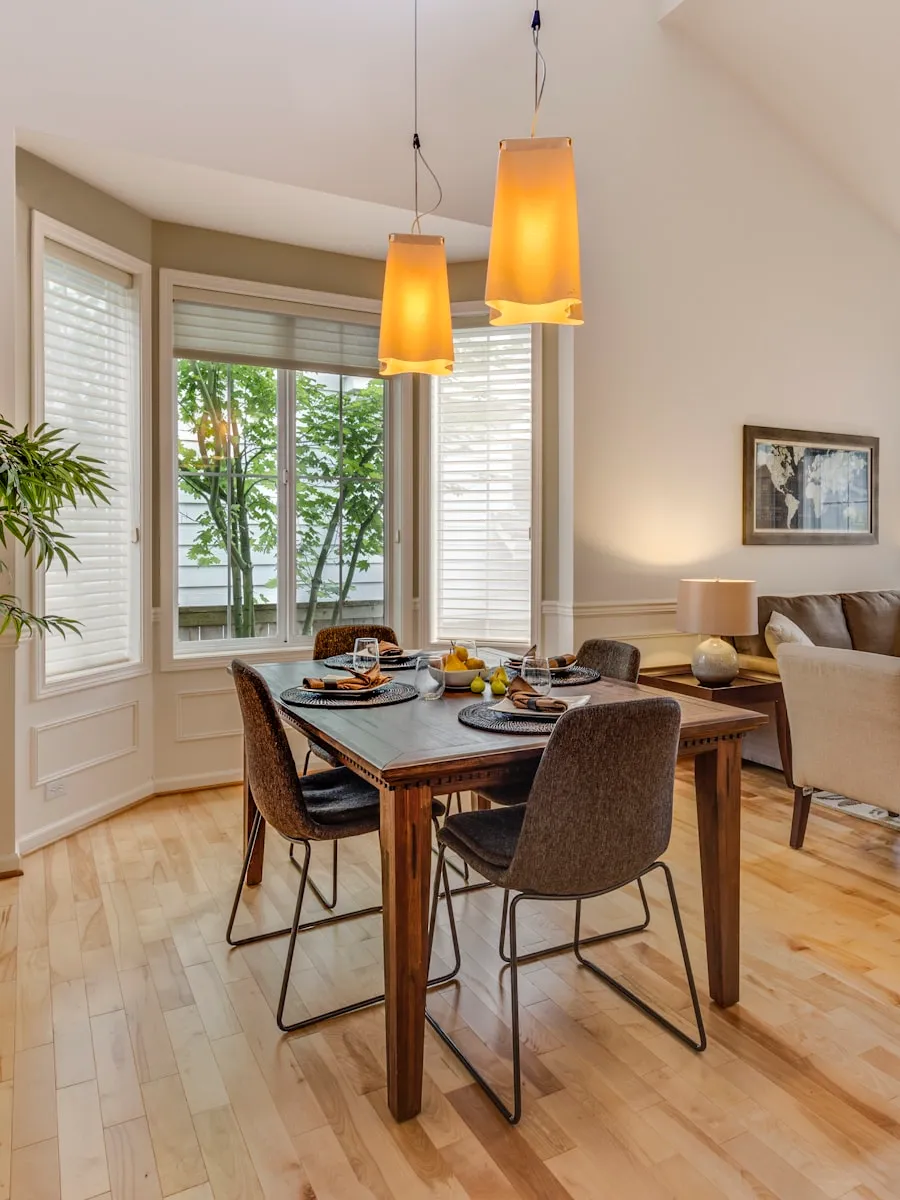
This style, room by room

Frequently asked questions
What is contemporary style?
Contemporary is the most flexible style: a neutral base, rounded forms, and one or two strong pieces — a curved sofa, a sculptural light, a large-format artwork. It shifts faster than modern because it follows what is being made now rather than a fixed canon.
What palette suits a contemporary interior?
Cream, oat, soft terracotta, chocolate brown
What mistake should I avoid with contemporary style?
Chasing every trend. Two seasons of accumulated accents and the room stops saying anything.
Close combinations
Updated 2026-08-21