Rustic garden: ideas and AI renders
A rustic garden mixes raised vegetable beds, generous perennials, dry-stone walls and gravel or grass paths. Maintenance is regular but light, and structure comes from fruit trees rather than clipping.
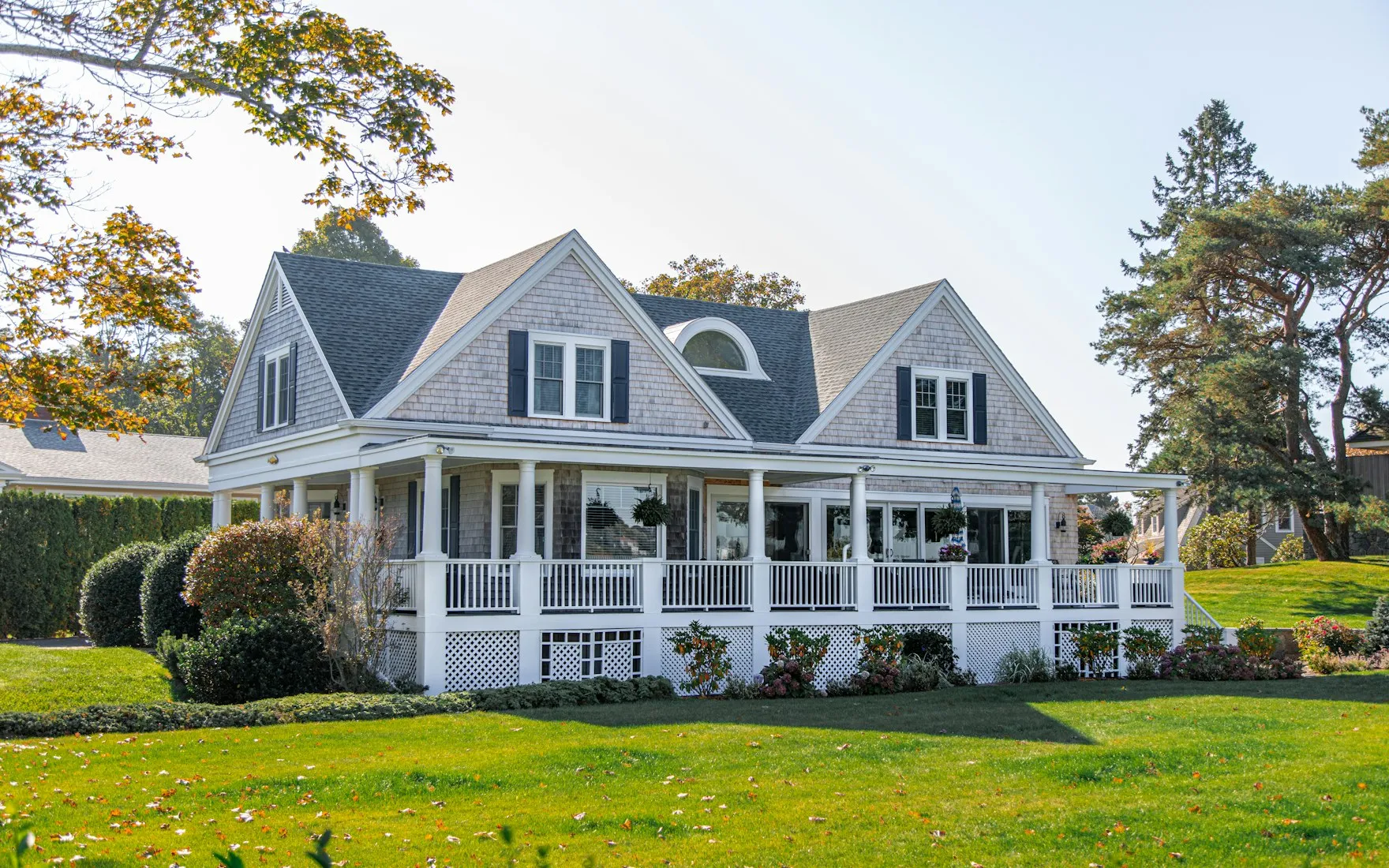
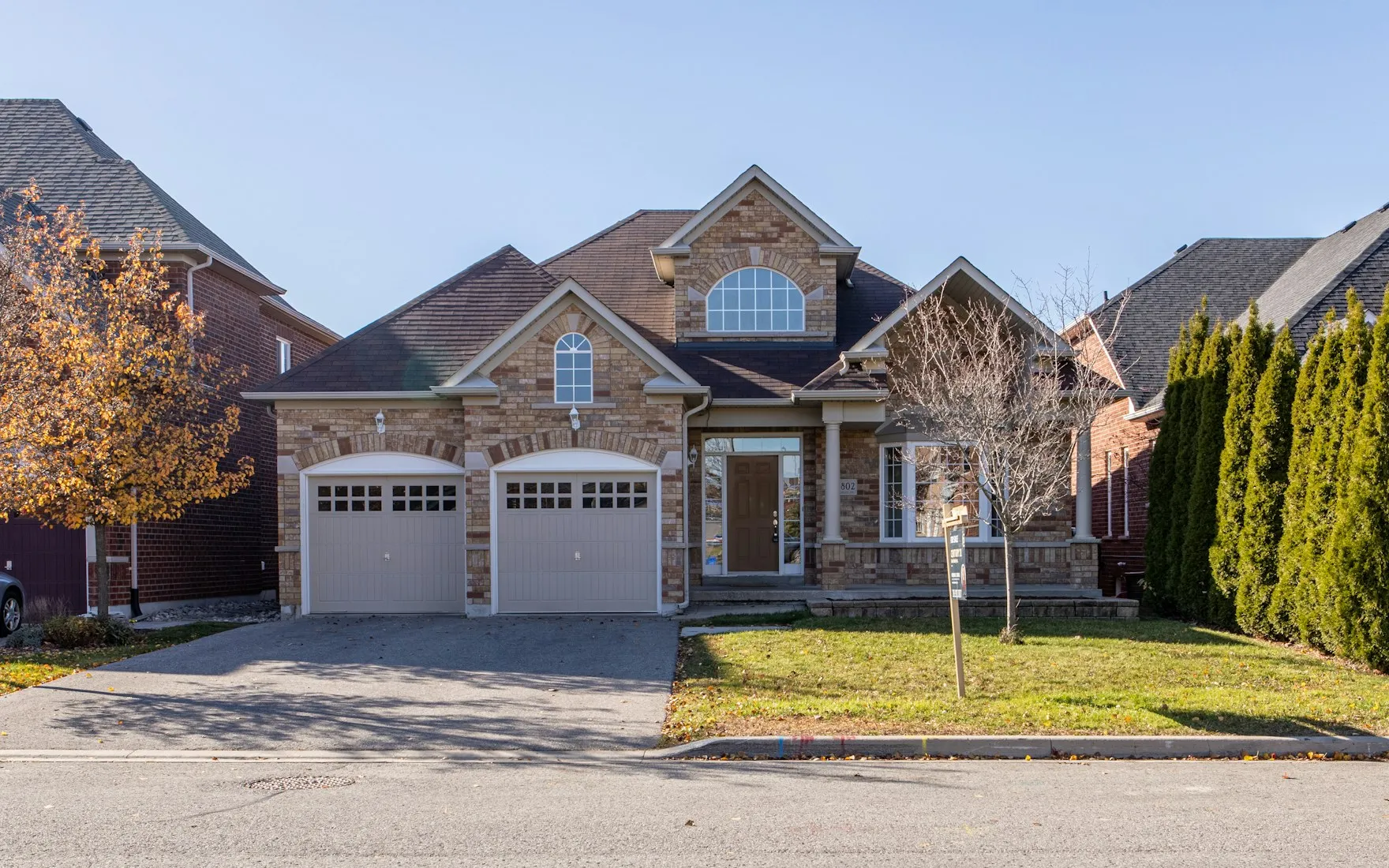
Drag to compare
Original photo on the left, rustic render on the right.
The pieces that make the difference
- Raised vegetable beds in untreated timber
- Perennial beds: achillea, salvia, echinacea, geranium
- Dry-stone wall or edging in local stone
- Two or three fruit trees as structure
The mistake to avoid
Too large a vegetable garden in year one. Start with two 120 × 120 cm beds — it is the maintenance load that makes people give up.
What it actually costs
Low in materials, high in time. Budget two to three hours a week from April to September — which the render does not show.
How to get this render
- 01
Photograph the room
Include at least one corner of the building. With no built reference the AI misjudges scale and proposes ten-metre trees in a city garden.
- 02
Select the room
Choose "Garden" at step 2 of the generator.
- 03
Select the style
Choose "Rustic" at step 3.
- 04
Compare and adjust
The render opens in a before/after slider. Too large a vegetable garden in year one. Start with two 120 × 120 cm beds — it is the maintenance load that makes people give up.
Frequently asked questions
How do I get a Rustic garden right?
A rustic garden mixes raised vegetable beds, generous perennials, dry-stone walls and gravel or grass paths. Maintenance is regular but light, and structure comes from fruit trees rather than clipping.
What aspect does a vegetable garden need?
At least six hours of direct sun, facing south or south-west, sheltered from the prevailing wind.
Should I treat the timber of the beds?
Not for vegetables. Use untreated Douglas fir or larch — they last seven to ten years untreated.
Other styles for this room
This style in other rooms
All styles for a garden·Rustic style in detail
Updated 2026-08-21