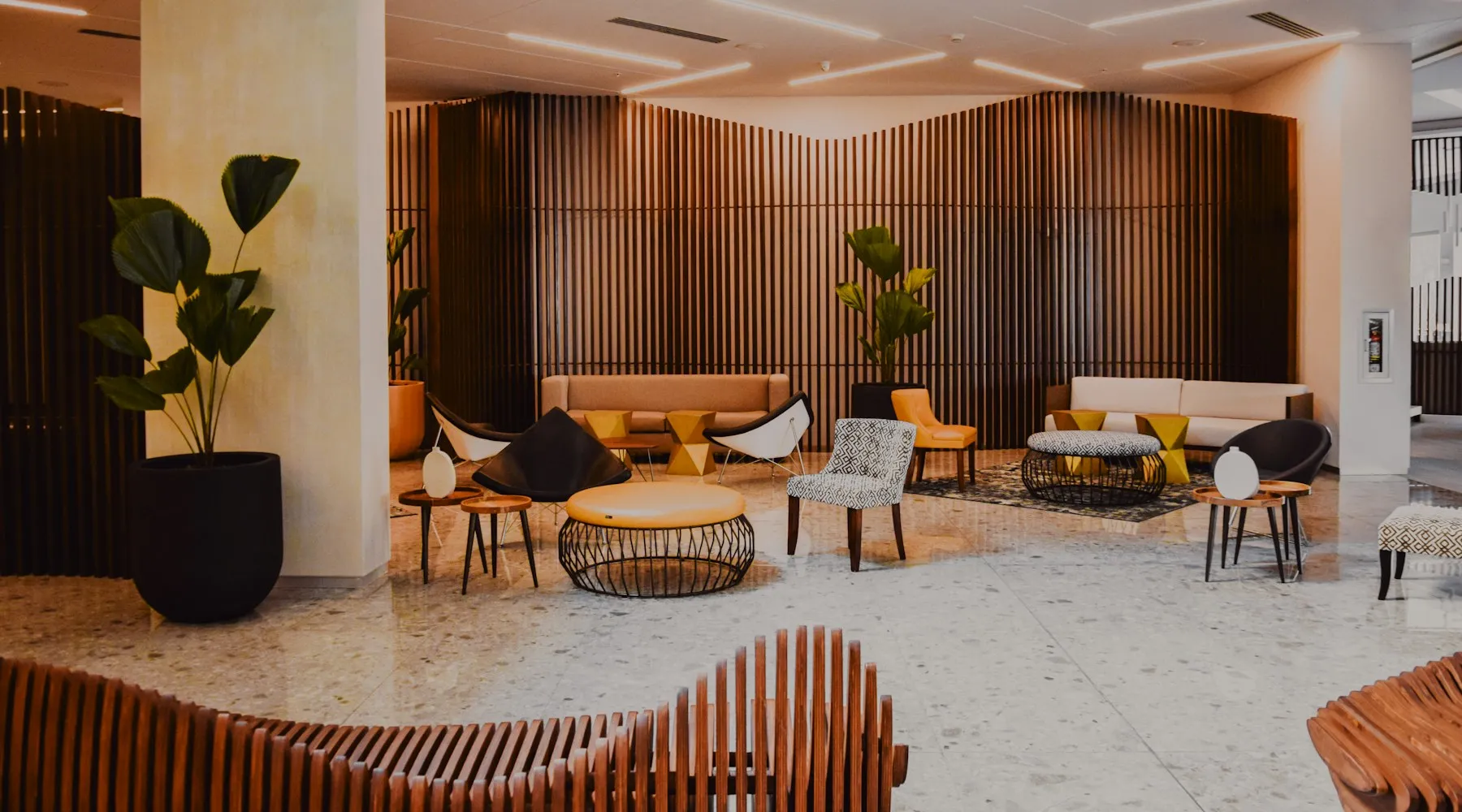
Rustic style: transform your interior
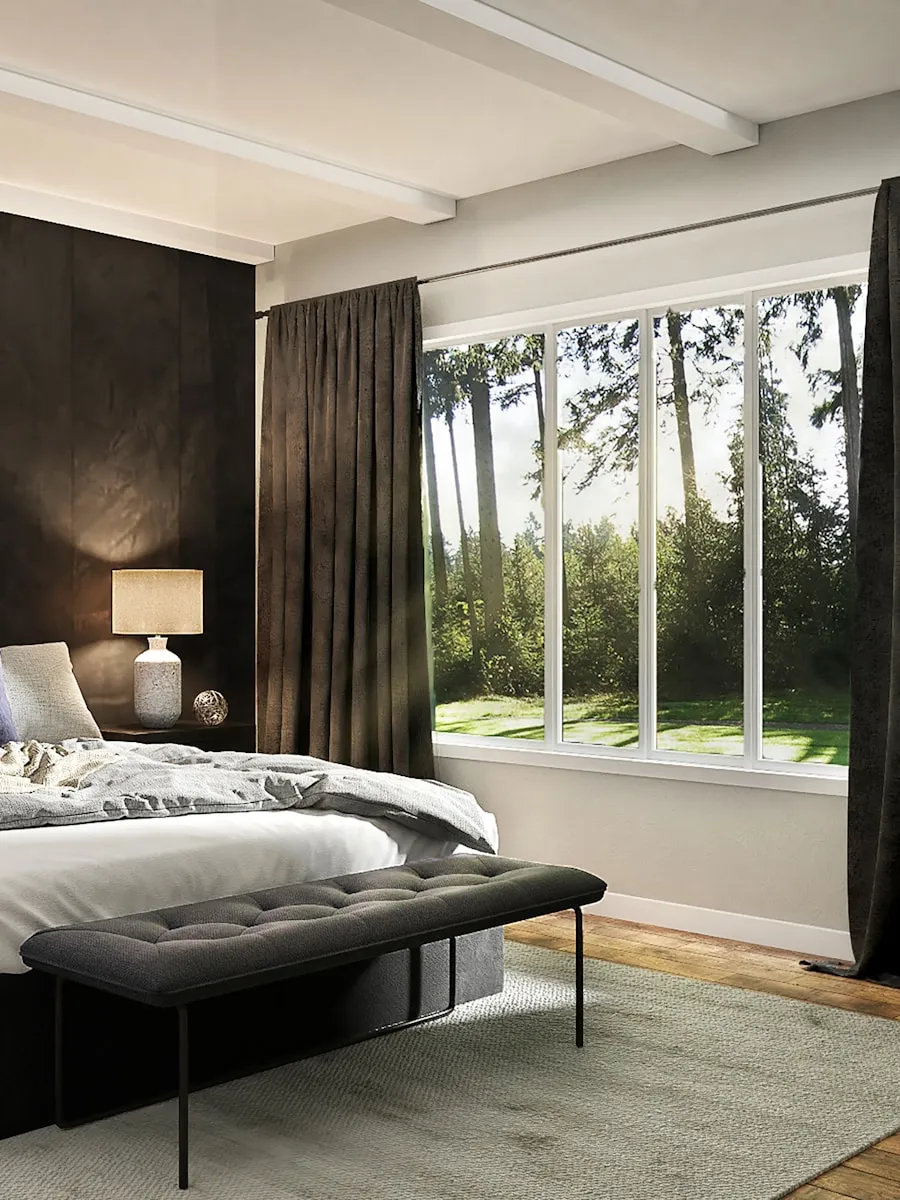
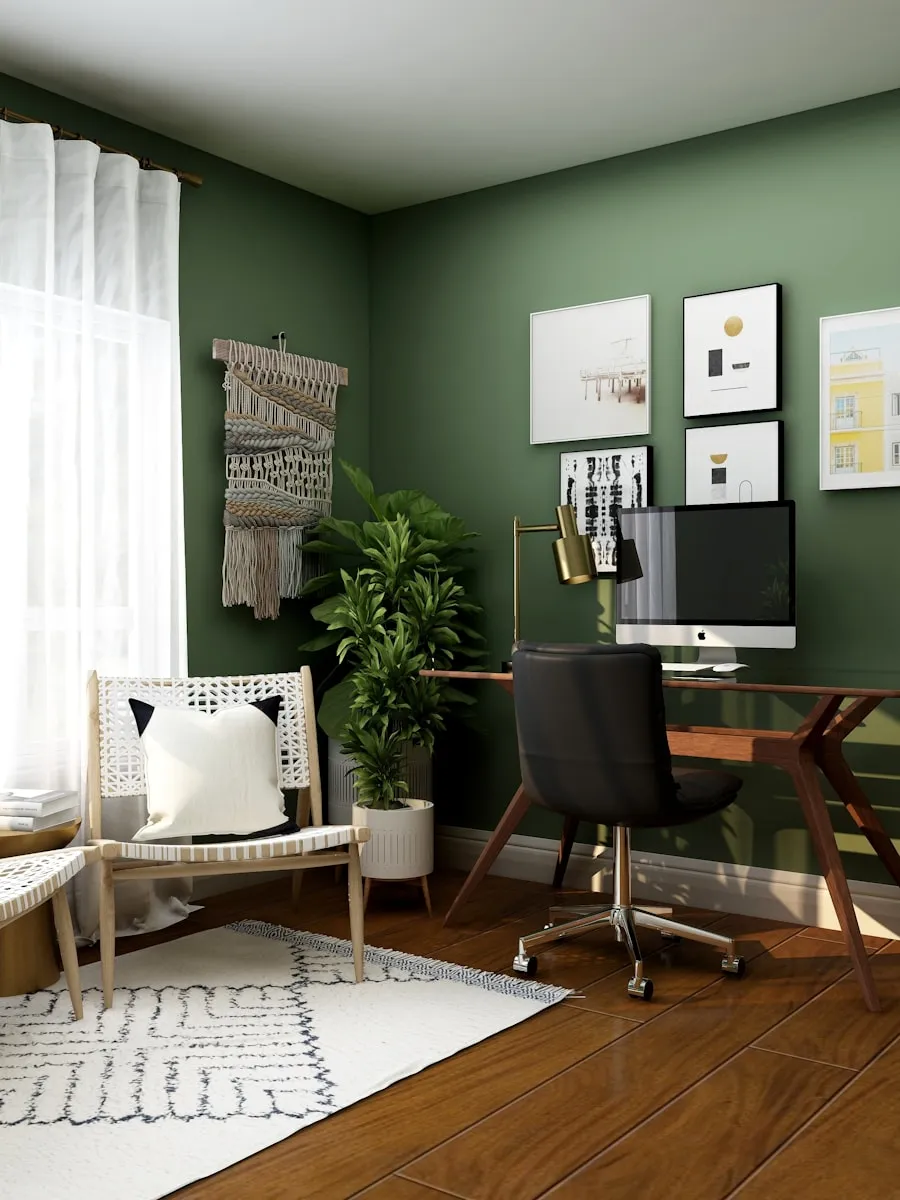
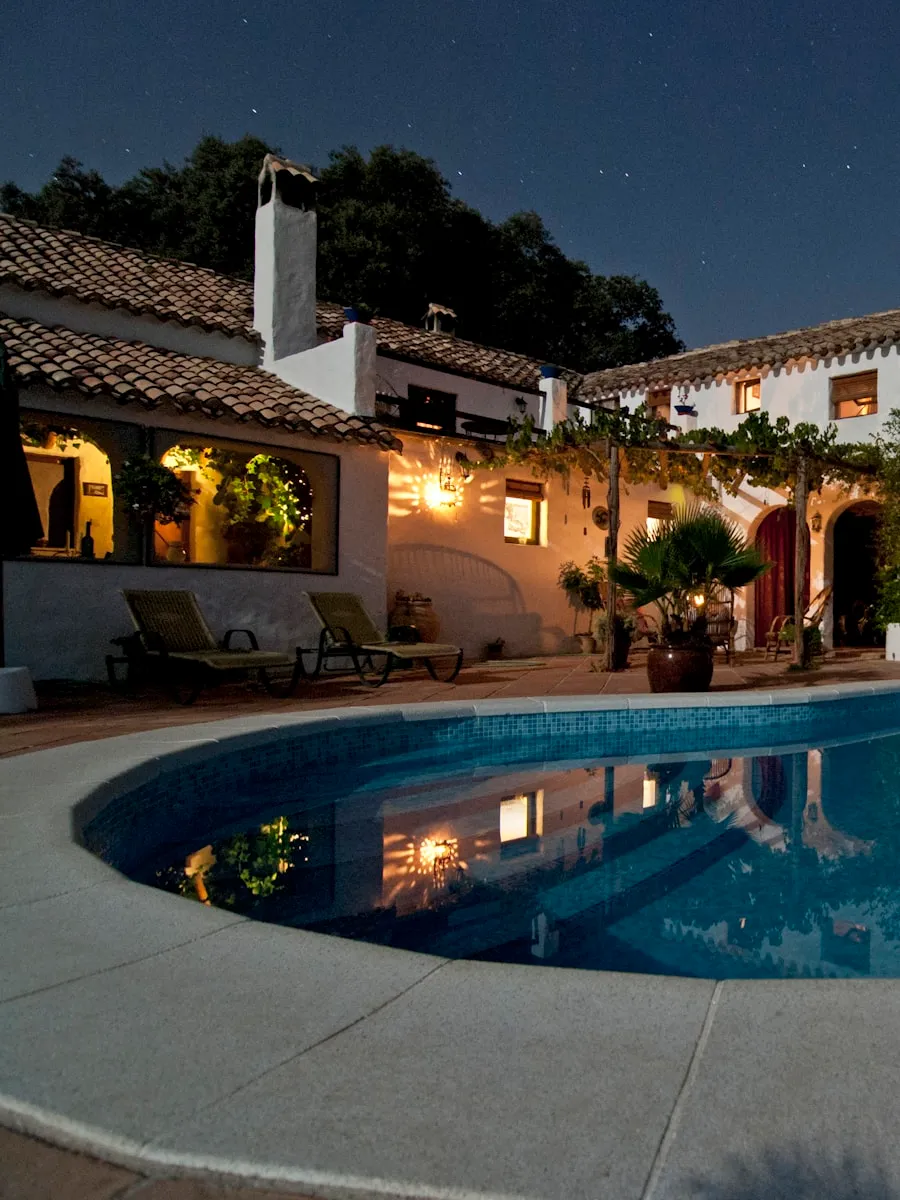
Rustic puts structure forward: exposed beams, stone, untreated solid timber and a fireplace. Finishes are deliberately imperfect and furniture is heavy. The palette stays warm and muted — brown, cream, forest green — and lighting must be pooled so it does not harden the materials.
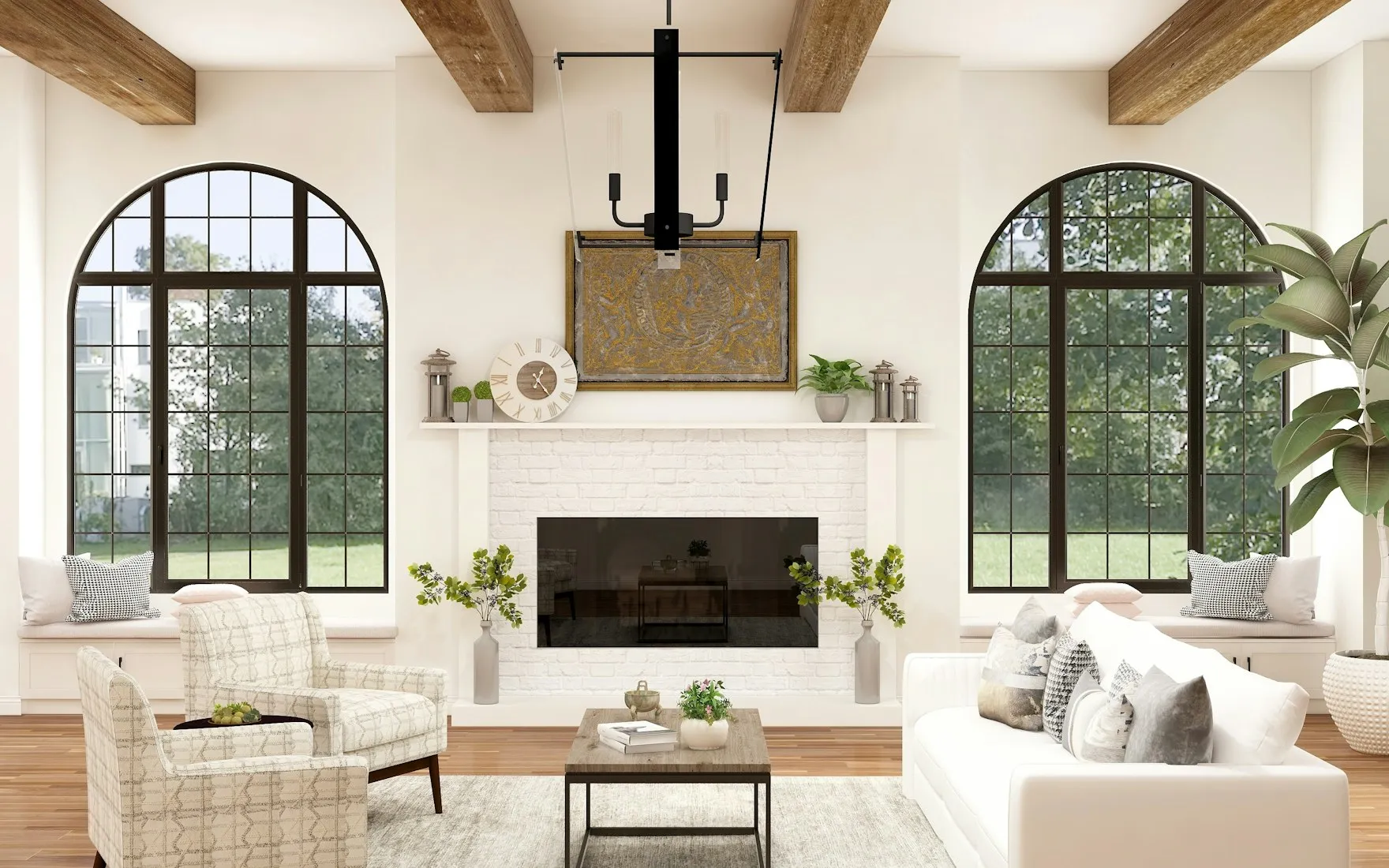
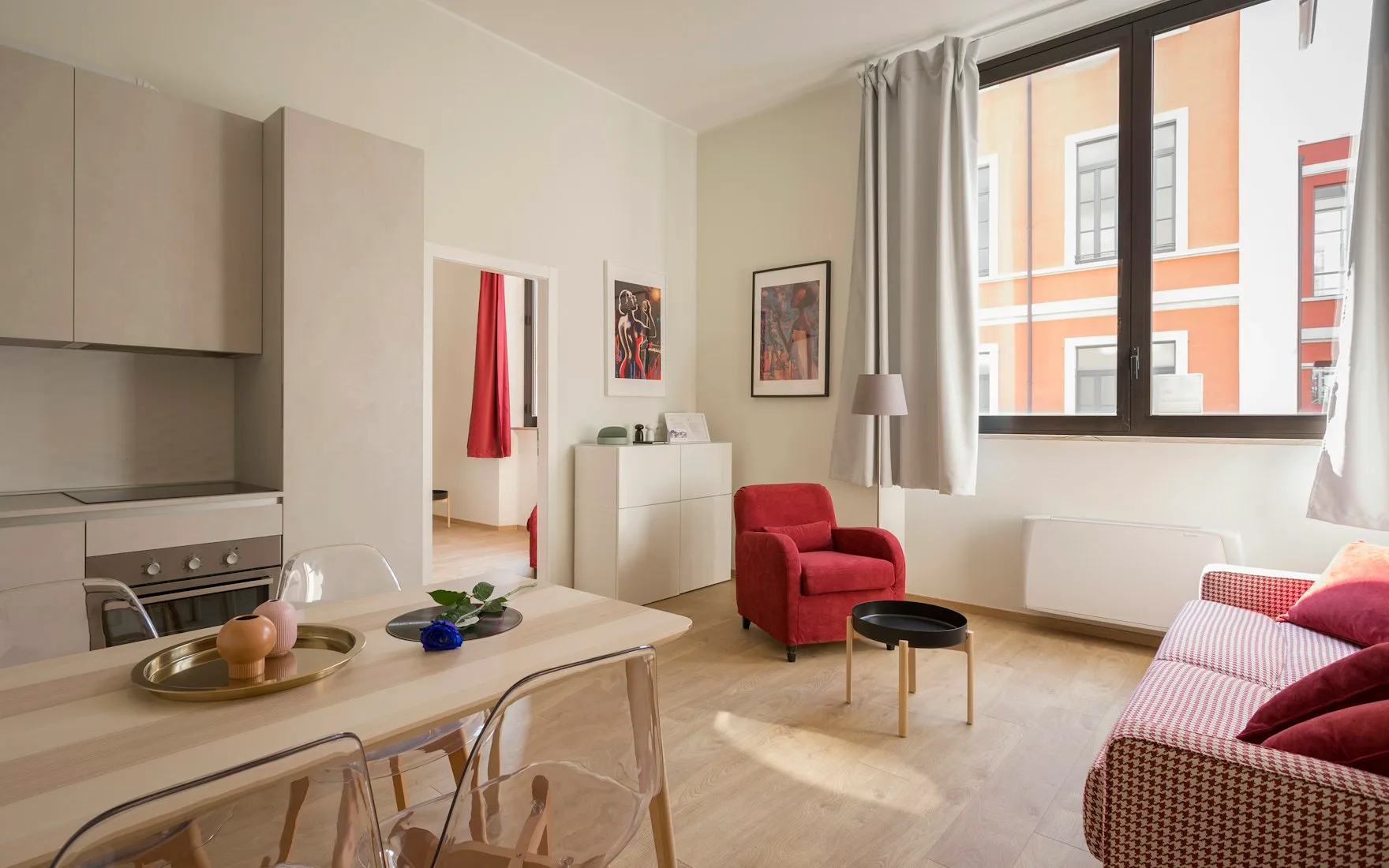
Drag to compare
An ordinary room, then the same volume treated in rustic style.
Understanding rustic style
Rustic is the only style that improves with age: wear marks on an oak top or a stone hollowed by footfall are part of the result. That is also why it forgives second-hand, mismatched furniture. Its main constraint is scale — exposed beams and a stone hearth demand volume, or the room reads low and dark. In a new-build you get the effect through materials rather than structure: a thick solid-timber worktop, a stone sink, wrought-iron handles, a lime plaster finish. Lighting decides everything: several warm, low sources, never a cold ceiling fitting that reveals every flaw without making any of them beautiful.
The mistake to avoid
High-gloss varnished timber. It cancels the patina the whole style depends on.
This style, room by room
Frequently asked questions
What is rustic style?
Rustic puts structure forward: exposed beams, stone, untreated solid timber and a fireplace. Finishes are deliberately imperfect and furniture is heavy. The palette stays warm and muted — brown, cream, forest green — and lighting must be pooled so it does not harden the materials.
What palette suits a rustic interior?
Cream, walnut brown, forest green, stone grey
What mistake should I avoid with rustic style?
High-gloss varnished timber. It cancels the patina the whole style depends on.
Close combinations
Updated 2026-08-21